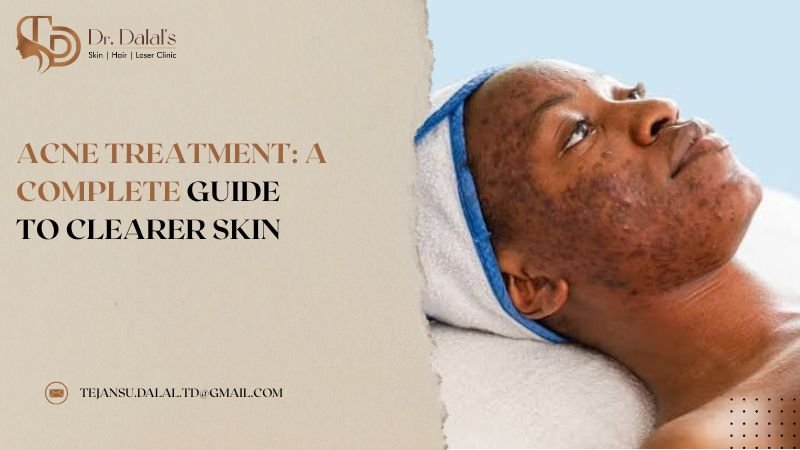
Acne is one of the most common skin concerns dermatologists see — affecting most people at some point, especially during the teenage years, though it often continues well into adulthood. For many, it’s more than a cosmetic issue; persistent acne can affect confidence and, left untreated, can leave lasting scars.
The good news is that acne is highly treatable. This guide walks you through what causes it, the treatment options available, how to build a supportive skincare routine, and when it’s time to see a dermatologist.
What Causes Acne?
Acne begins inside the hair follicles of your skin, where oil (sebum) and dead skin cells can build up and form a blockage. This blocked follicle is what dermatologists call a comedone — the starting point of most acne.
Several factors drive this process. Hormonal changes increase oil production, dead skin cells shed unevenly and clog pores, and bacteria naturally present on the skin multiply in this oily, blocked environment.
When the body’s immune system reacts to this bacterial buildup, it triggers inflammation — which is what turns a simple blocked pore into a red, swollen pimple, or in more severe cases, a deep and painful cyst.
Types of Acne: From Mild to Severe
Not all acne looks or behaves the same way, and treatment depends heavily on which type you’re dealing with.
- Non-inflammatory acne includes blackheads (open comedones) and whiteheads (closed comedones). These are typically milder and don’t involve redness or swelling.
- Inflammatory acne includes papules (small red bumps) and pustules (pus-filled pimples). These occur once bacteria and inflammation are involved.
- Severe nodulocystic acne involves deep, painful nodules and cysts beneath the skin’s surface. This type carries the highest risk of permanent scarring and usually needs prompt dermatologist care.
Acne Treatment Options
Acne treatment in Ahmedabad typically follows a step-by-step approach — starting with milder options and moving to stronger treatments if needed. Your dermatologist will tailor this based on your acne type and severity.
Topical Treatments
For mild-to-moderate acne, topical medications are usually the first line of treatment. Retinoids help unclog pores and reduce new breakouts by normalizing skin cell turnover.
Benzoyl peroxide targets acne-causing bacteria directly and is often combined with other treatments for better results. Salicylic acid and azelaic acid are gentler options that help clear pores and calm inflammation.
Combining two of these actives, rather than relying on just one, generally works better and clears skin faster than any single ingredient alone.
Oral Medications
For more widespread or stubborn acne, dermatologists may prescribe oral antibiotics for a limited period to reduce inflammation and bacteria — always alongside a topical treatment, never alone.
For women with hormonal acne, oral contraceptives or anti-androgen medications can help by reducing the hormonal triggers behind breakouts.
For severe, cystic, or scarring acne that hasn’t responded to other treatments, oral isotretinoin may be recommended. This is a powerful option that requires close medical supervision throughout the course.
In-Clinic Procedures
For active breakouts causing pain or pressure, dermatologists can perform in-office procedures for faster relief. A steroid injection directly into a stubborn cyst can shrink it within days.
Chemical peels and specialized facials also help control active acne while improving overall skin texture and tone.
Treating Acne Scars
Even after acne clears, it can leave behind marks — either flat discoloration or textured, pitted scarring. These require a different treatment approach than active acne.
Discoloration (red or brown marks) usually fades on its own over time, though treatments like chemical peels can speed this up considerably.
Textured, pitted scars need more targeted procedures. Options include micro-needling with radiofrequency, subcision to release tethered scar tissue, and targeted chemical treatments for deep, narrow scars.
Since acne scarring often involves a mix of scar types, dermatologists frequently combine two or more procedures for the best overall result.
Building a Skincare Routine for Acne-Prone Skin
A consistent, gentle skincare routine supports whatever treatment your dermatologist prescribes — and can prevent new breakouts from forming.
Use a mild, non-foaming cleanser twice daily. Harsh scrubbing or over-washing actually irritates acne-prone skin and can make breakouts worse.
Always choose “non-comedogenic” labeled moisturizers and sunscreens — these are formulated not to clog pores, which matters even for oily skin.
Avoid picking or popping pimples. This significantly increases the risk of scarring and can spread bacteria to surrounding skin.
When to See a Dermatologist for Acne
Over-the-counter products can help with occasional, mild breakouts. But certain signs mean it’s time for professional care.
If acne is painful, leaves marks or scars, or hasn’t improved after a few months of consistent at-home care, a dermatologist visit is worthwhile.
Sudden or severe breakouts, especially cystic acne, should be evaluated promptly — early treatment significantly reduces the risk of permanent scarring.
Why Professional Acne Treatment Matters
At Dr. Dalal’s Clinic, acne treatment in Ahmedabad is approached as a personalized process — not a one-size-fits-all routine. Every treatment plan starts with identifying your specific acne type, triggers, and skin sensitivity.
Our cosmetic dermatology services combine medical treatment for active acne with advanced options for scar correction, so you’re not just treating today’s breakouts but also addressing marks left behind from the past.
For acne that has already left textured scarring, our acne scars and marks treatments are designed to rebuild smoother, more even skin over time.
Frequently Asked Questions
How long does acne treatment take to show results?
Most topical treatments take 6–8 weeks to show visible improvement. Full clearance can take a few months, depending on severity.
Can diet affect acne?
Some studies suggest high-sugar and high-dairy diets may worsen acne in certain people, though individual triggers vary widely.
Is acne treatment safe for teenagers?
Yes — most acne treatments are safe for teens, though stronger medications like isotretinoin require careful dermatologist supervision.
For more general information on skin conditions, you can refer to the National Institute of Arthritis and Musculoskeletal and Skin Diseases and India’s National Health Portal.
Book Your Acne Treatment Consultation in Ahmedabad
Whether you’re dealing with occasional breakouts or persistent, scarring acne, getting the right diagnosis is the first step. Book a consultation with Dr. Dalal’s Clinic for a treatment plan built around your skin.