

Not every filler is built the same, and that’s exactly why the same product can look stunning on one area of the face and slightly off on another. Understanding what dermal fillers are actually made of, and why thickness and placement matter so much, is what separates a natural-looking result from an obviously “done” one.
Dermal fillers work by adding volume or structure beneath the skin, but different fillers are built with very different physical properties for very different jobs. Firmer, thicker gels are used to rebuild deep structural support, such as cheekbones or the jawline, because they resist muscle movement and gravity. Softer, more flexible gels are used just under the skin’s surface, such as on the lips or fine lines, because they move naturally with facial expression. Matching the right filler thickness to the right depth and area is what actually determines whether a result looks smooth and natural or uneven and obvious.
Key Takeaways
- Dermal fillers aren’t one single product – they’re built from different materials and different thicknesses, each engineered for a specific depth and purpose in the face.
- Firmer, structural fillers are used deep near the bone to rebuild lost volume in areas like the cheeks, chin, and jawline, while softer fillers are used closer to the skin’s surface for lips and fine lines.
- Some fillers can be diluted to shift their job entirely – from providing immediate structural volume to gently stimulating the skin’s own collagen production over time.
- The injection tool matters: a blunt-tipped cannula is generally safer than a sharp needle in areas with major blood vessels, since it glides around vessels rather than through them.
- A sudden, unusually painful, pale, or discolored patch of skin after filler injection is a medical emergency that needs immediate attention, not a wait-and-see approach.
Introduction
Dermal fillers are often talked about as if they’re all interchangeable – pick a filler, inject it, done. But the actual science behind fillers is far more specific than that. The thickness, firmness, and flexibility of a filler gel changes depending on where in the face it needs to go, and using the wrong type in the wrong place is one of the most common reasons results look unnatural. This article breaks down what dermal fillers are actually made of, how clinicians decide what goes where, and what a safe, well-planned treatment actually involves.
What Dermal Fillers Actually Are?
At their core, dermal fillers are gel-based substances injected beneath the skin to restore lost volume, build structure, or smooth lines. The most common base material is hyaluronic acid, a substance the body already produces naturally, which is chemically treated to form a stable gel that resists breaking down too quickly. Other fillers use entirely different materials, including calcium-based microspheres or biodegradable synthetic particles, each behaving differently once placed in the skin.
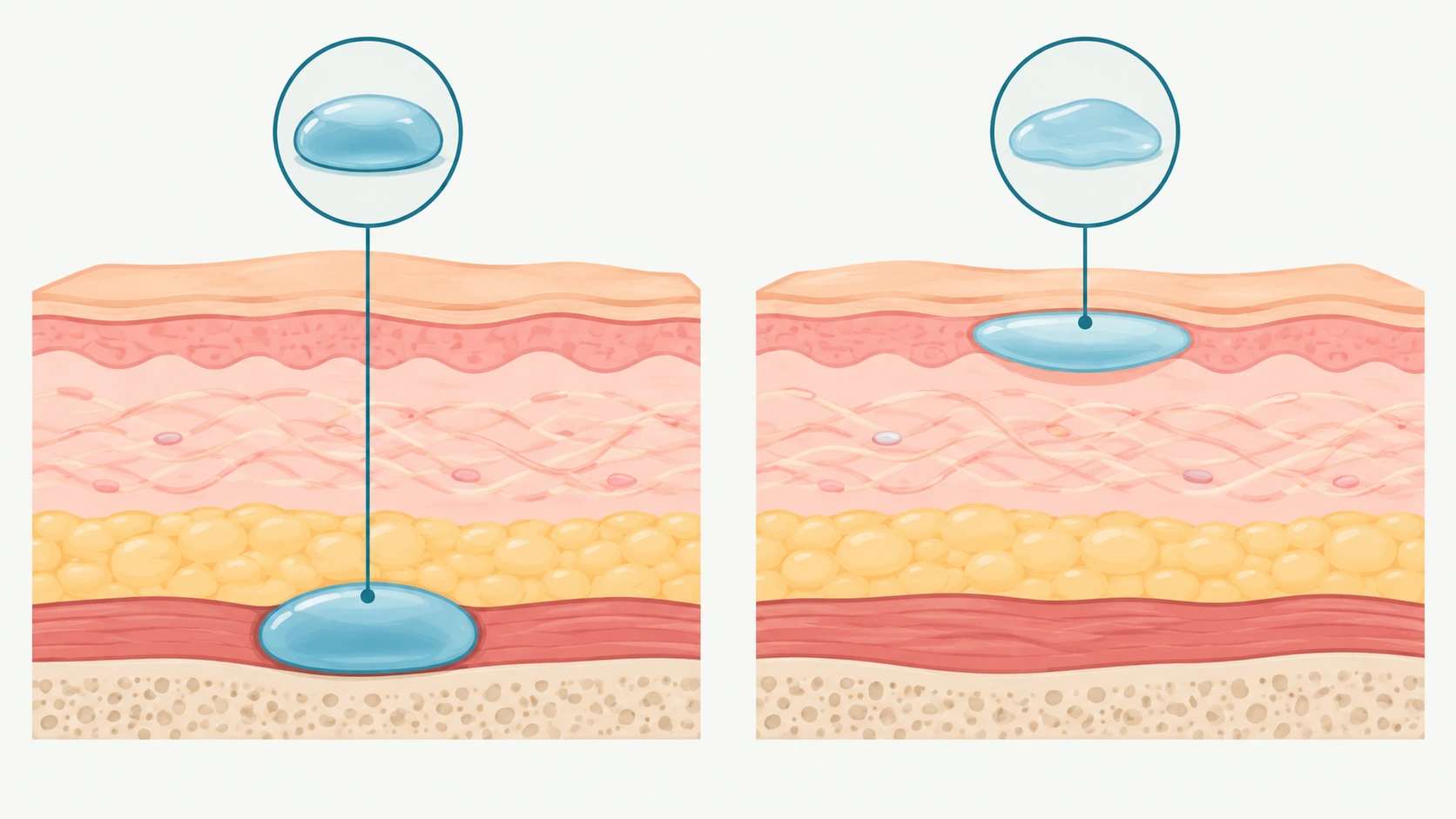
What makes one filler different from another isn’t just the material – it’s how firm, thick, or flexible that gel actually is. A thicker, firmer gel holds its shape under pressure and can physically lift heavier tissue, while a softer, more flexible gel spreads smoothly and moves naturally with the skin above it. This physical behavior is engineered deliberately, because a filler that’s too firm for a delicate area like the lips can feel stiff and look lumpy, while a filler that’s too soft for a deep structural area like the chin won’t hold its lift.
Clinical Overview: Why Thickness and Depth Must Match
Every layer of the face experiences different physical forces. Deep layers near the bone are constantly compressed by the muscles of facial expression and have to support the weight of the tissue above them. Layers closer to the surface, by contrast, move constantly with every smile, frown, or raised eyebrow, and need a filler that flexes along with that movement rather than resisting it.
This is why clinicians select fillers based on the specific area being treated, not just general preference. Deep areas like the cheekbones, jawline, and chin generally call for firmer, higher-structure fillers capable of lifting and projecting tissue without flattening under daily muscle movement. Superficial areas like fine lines, the lips, or the delicate skin under the eyes call for softer, lower-structure fillers that integrate smoothly and avoid a stiff or lumpy appearance. Placing a firm, structural filler too close to the surface is one of the most common causes of visible lumps or an unnatural, overfilled look.
Some fillers also offer a unique flexibility: when diluted with a sterile saline solution, certain structural fillers shift from providing immediate volume to acting more like a gentle stimulant, encouraging the skin’s own collagen-producing cells to become more active over time. This is why the same base material can be used for very different goals, from sharp structural augmentation to a slower, more diffuse skin-quality improvement, depending entirely on how it’s prepared before injection.
Diagnosis: What Gets Assessed Before Treatment
Before recommending a treatment plan, a dermatologist typically evaluates several specific factors:
- Area and goal: Whether the goal is restoring deep structural volume, softening a fold, or subtly enhancing the lips changes which type of filler is appropriate.
- Skin thickness and tissue quality: Thinner, more delicate skin generally needs a softer, lower-profile filler to avoid visibility or lumpiness beneath the surface.
- Facial anatomy and vascular mapping: Understanding where major blood vessels run in the treatment area is essential for choosing a safe injection technique and avoiding complications.
- Medical history: Certain bleeding disorders, active skin infections, and specific medications are reasons treatment may need to be delayed or approached differently.
Treatment: What a Filler Session Actually Involves
A dermal fillers session typically begins with a detailed discussion of facial anatomy and treatment goals, since the plan is built around specific facial zones rather than treating the whole face identically. The skin is cleaned and, when needed, a topical numbing cream is applied before injection to keep the procedure comfortable.
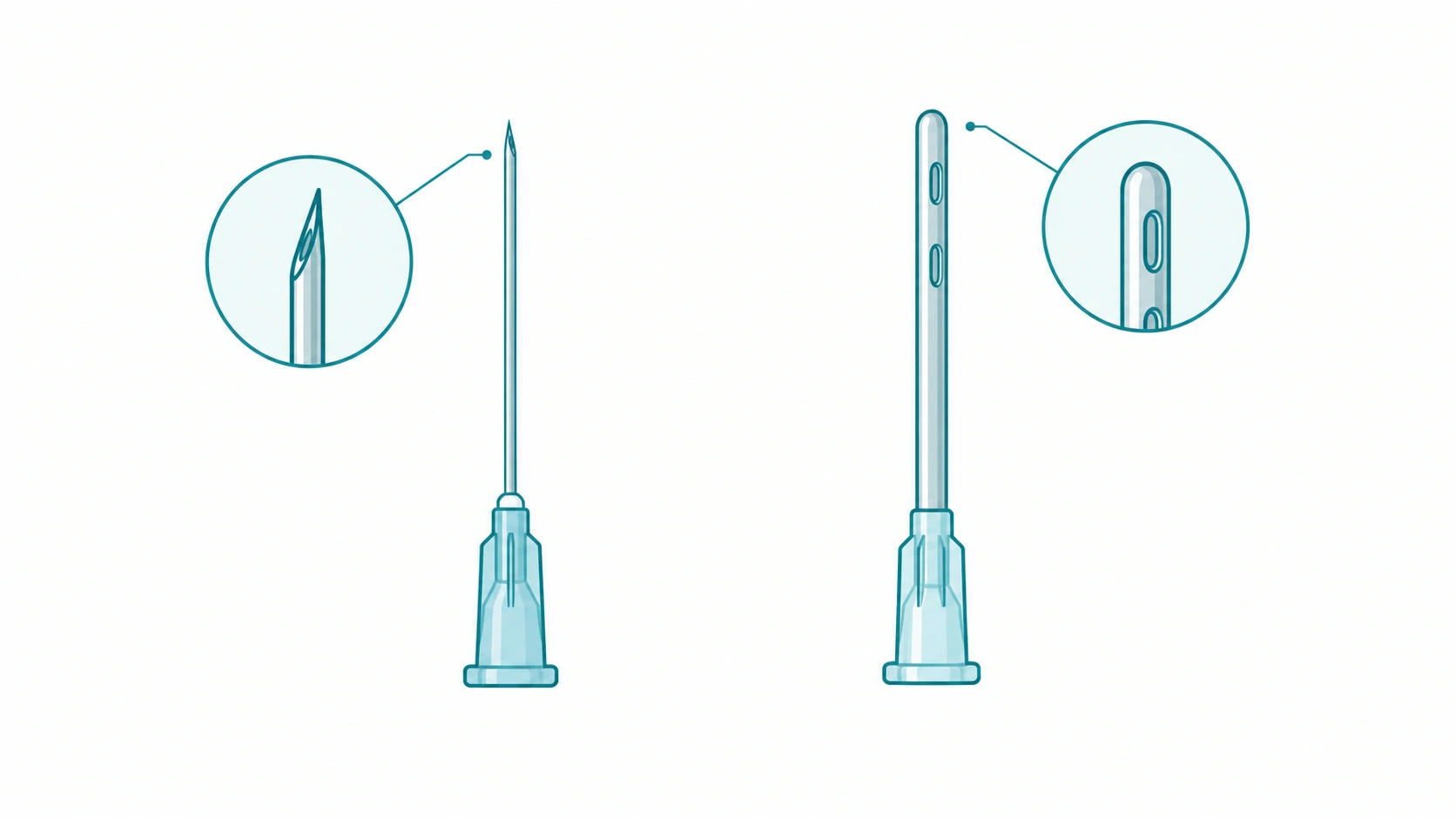
The choice of injection tool is a genuine safety decision, not just a technical preference. A fine, sharp needle allows precise, small-volume placement directly at a target depth, which works well for deep structural points. A blunt-tipped cannula, by contrast, has a rounded tip that glides through tissue and tends to push blood vessels aside rather than piercing them, which is why it’s often preferred in areas known to carry major facial blood vessels. The clinician typically works through the face in defined zones, placing small, measured amounts of product at a time and reassessing the result before moving to the next area, rather than injecting a large volume all at once.
Most sessions for one or two facial areas take well under an hour, and visible swelling or mild bruising at injection points is common in the first day or two afterward.
Filler Types Guide: What Each Category Actually Does
| Filler Category | Typical Firmness | Best Suited For |
|---|---|---|
| High-structure hyaluronic acid gel | Firm, high lifting strength | Cheekbones, jawline, chin projection |
| Moderate-structure hyaluronic acid gel | Balanced firmness and flexibility | Nasolabial folds, mid-cheek volume |
| Soft, flexible hyaluronic acid gel | Low firmness, high flexibility | Lips, fine lines, under-eye hollows |
| Calcium-based structural filler | Firm, adjustable through dilution | Deep volume loss; diluted for skin stimulation |
| Collagen-stimulating biodegradable filler | Minimal immediate volume | Gradual, broad facial volume restoration over months |
The right filler category depends on the treatment area, skin thickness, and desired outcome – this is a decision made with a dermatologist, not a one-size-fits-all choice.
What the Research Shows?
Published biomaterial and dermatologic research supports several specific points about dermal fillers:
- Filler firmness is engineered, not accidental: Research measuring gel behavior under mechanical stress confirms that firmer, more structured gels are specifically designed to resist compression in deep, high-movement areas, while softer gels are designed to integrate smoothly near the skin’s surface.
- Depth-matching directly affects outcome quality: Clinical anatomical studies show that placing a filler at the wrong depth for its physical properties is a leading cause of visible lumps, contour irregularities, and unnatural results.
- Cannula use reduces complication risk in higher-risk zones: Research comparing injection tools shows that blunt-tipped cannulas are associated with meaningfully less bruising, tissue trauma, and risk of accidental vessel injection compared to sharp needles in the same areas.
- Clinician experience measurably affects safety: Published data shows that practitioners with more years of dedicated aesthetic injection experience have a significantly lower likelihood of vascular complications compared to less experienced injectors.
These findings reflect published biomaterial and dermatologic research; the right filler choice and technique for an individual still depends on an in-person evaluation.

Doctor Review Block
This article has been medically reviewed by Dr. Tejansu Dalal, MD (Dermatology), for clinical accuracy. Dermal fillers are a precise science, not a one-size-fits-all cosmetic product – matching the correct filler thickness and injection technique to each facial zone is exactly what separates a natural, long-lasting result from one that looks uneven or artificial.
References & Citations
This article draws on biomaterial and dermatologic research on dermal filler science, including findings published by the National Center for Biotechnology Information on the physical properties that determine filler behavior, and reference material from the National Institutes of Health on facial anatomy and safe injection technique. Clinical safety details reflect published aesthetic medicine research.