
Not every chemical peel does the same job, even though they’re often talked about as one single treatment. Some peels barely touch the surface, while others reach deep enough to genuinely rebuild the skin’s structure – and knowing the difference is exactly what determines whether a peel matches the problem you’re actually trying to fix.
Chemical peels work by intentionally triggering a controlled injury to the skin, which kickstarts the body’s natural repair process – clearing out dull or damaged surface cells and encouraging fresh collagen underneath. How deep that controlled injury goes is what separates one peel from another: a light surface peel clears dullness and mild congestion with almost no downtime, while a deeper peel reaches further into the skin to soften real wrinkles or scarring, with a longer recovery to match. The right depth depends entirely on the specific skin concern and skin tone being treated.
Key Takeaways
- Chemical peels aren’t one single treatment – they range from very light surface peels to deep peels, each reaching a different depth in the skin and suited to different concerns.
- The depth of a peel directly determines both its downtime and what it can realistically achieve, from mild surface dullness to deeper wrinkles or scarring.
- Darker skin tones need particular care, since deeper or overly aggressive peels carry a higher risk of lasting dark patches or uneven tone in these skin types.
- Preparing the skin for a few weeks before a peel, and following the right aftercare, genuinely affects both the safety and the final result.
- Professional, clinic-performed peels use far higher strength formulations than at-home products, which is exactly why the two aren’t interchangeable despite similar-sounding ingredients.
Introduction
Chemical peels get recommended for an enormous range of concerns – acne, dullness, fine lines, dark spots, old scars – which makes it easy to assume any peel can tackle any problem. In reality, peels work in distinct depth categories, and choosing the wrong depth for a concern, or for a particular skin tone, is one of the most common reasons results disappoint or, in some cases, cause new problems. This article walks through how chemical peels actually work, what separates one depth from another, and how a dermatologist matches a peel to a specific skin goal safely.
What Chemical Peels Actually Do to the Skin
A chemical peel works by applying a specific acid or chemical solution to the skin, deliberately causing a controlled, measured level of injury. This might sound counterintuitive, but that controlled injury is exactly the point – it triggers the skin’s natural healing response, which clears out damaged or dull surface cells faster than normal, and switches on deeper repair cells that produce fresh collagen and elastic fibers.
Different peeling ingredients act in different ways. Some work by loosening the glue-like bonds holding dull surface cells together, helping them shed faster and reveal fresher skin underneath. Others work more directly, causing a brief, controlled breakdown of surface proteins that prompts a stronger repair response from deeper within the skin. Which mechanism is used, and how strong the solution is, together determine exactly how deep the peel’s effects reach — which is the single biggest factor in what a peel can and can’t achieve.
Clinical Overview: Why Depth Changes Everything
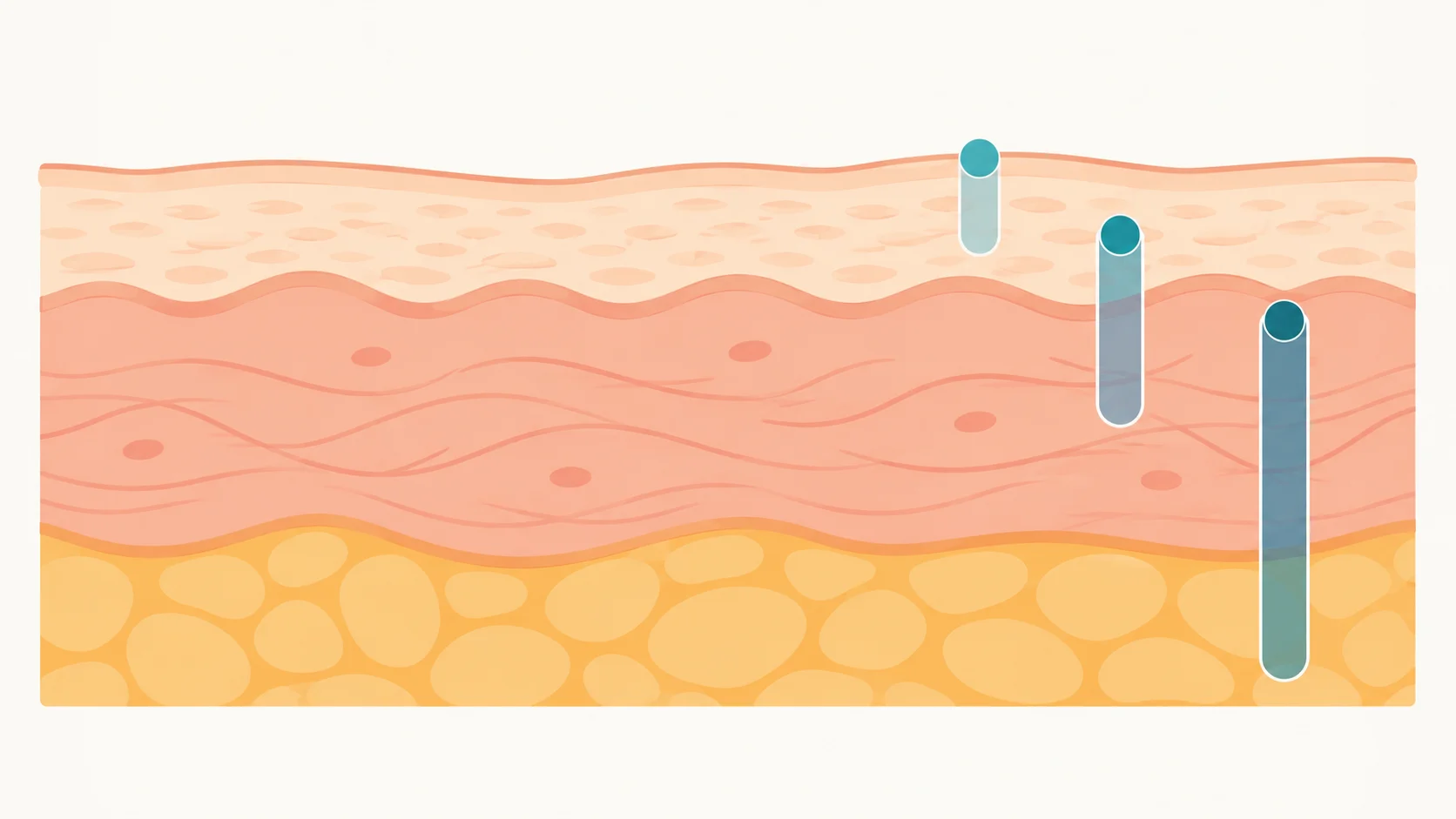
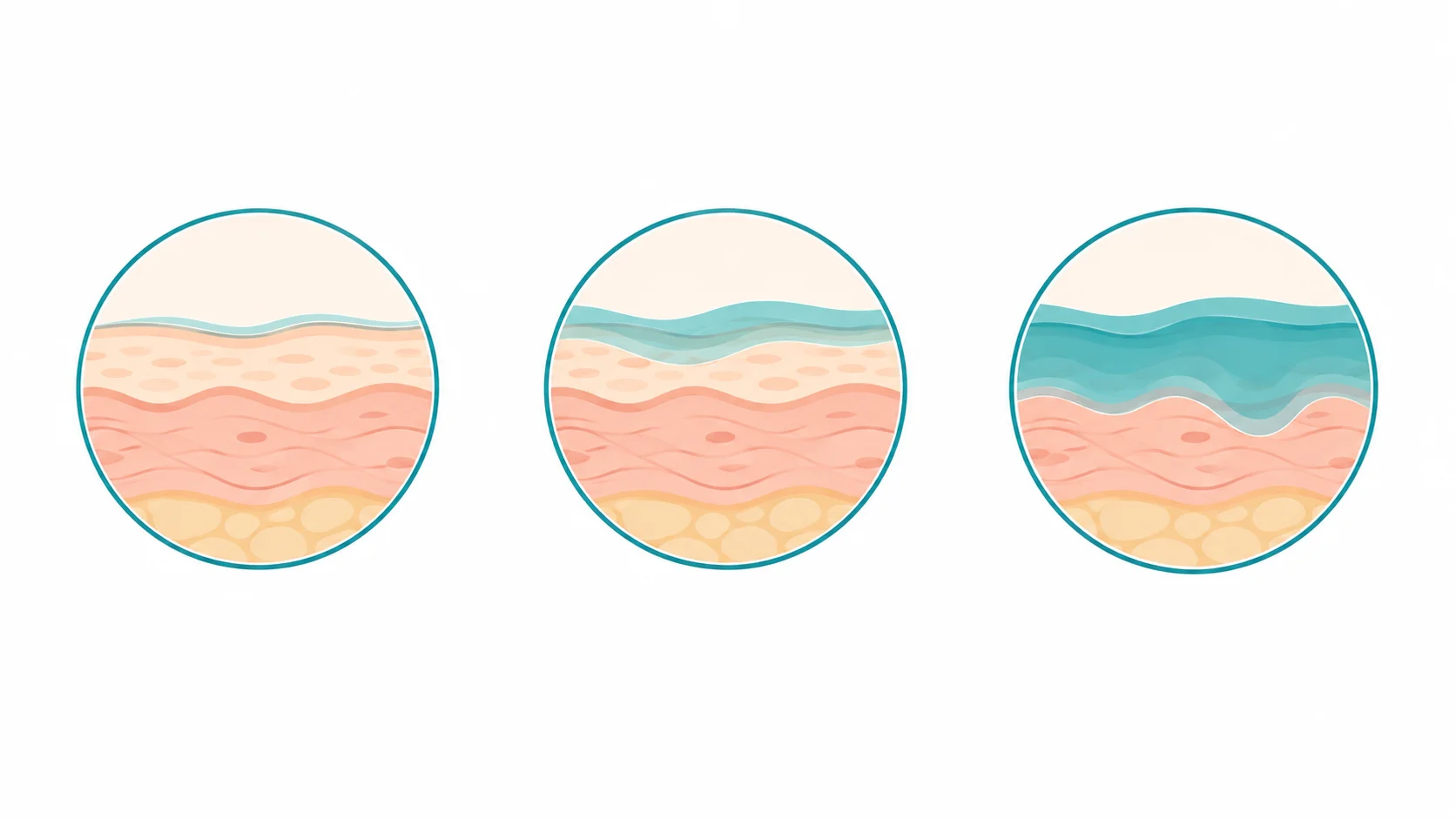
Chemical peels are generally grouped into three depth categories, and understanding this grouping is the key to understanding peels altogether. Very light and superficial peels only affect the very outermost layer of skin, improving dullness, mild congestion, and light surface discoloration, with little to no visible downtime. Medium-depth peels reach further, into the upper layers of the deeper skin structure, and are genuinely capable of softening fine lines and improving more established sun damage, but come with several days of visible peeling and redness. Deep peels reach the furthest, triggering substantial structural rebuilding for significant wrinkles or scarring, but require a much longer, carefully supervised recovery.
A peel’s depth isn’t just about the strength of the solution used – it’s also about how the solution is prepared and applied. Lower-strength, well-buffered formulations stay gentle and surface-level, while unbuffered, higher-strength solutions penetrate further and trigger a stronger response. This is exactly why professional clinical peels and over-the-counter products, even when they list similar-sounding ingredients, are not interchangeable: clinical formulations are prepared specifically to reach a controlled, intentional depth under professional supervision.
Diagnosis: Matching the Peel to the Goal and Skin Tone
Before recommending a specific peel, a dermatologist typically evaluates several factors together:
- Primary skin concern: Dullness and mild congestion generally call for a lighter peel, while established fine lines, deeper pigmentation, or old acne scarring often need a stronger, deeper approach.
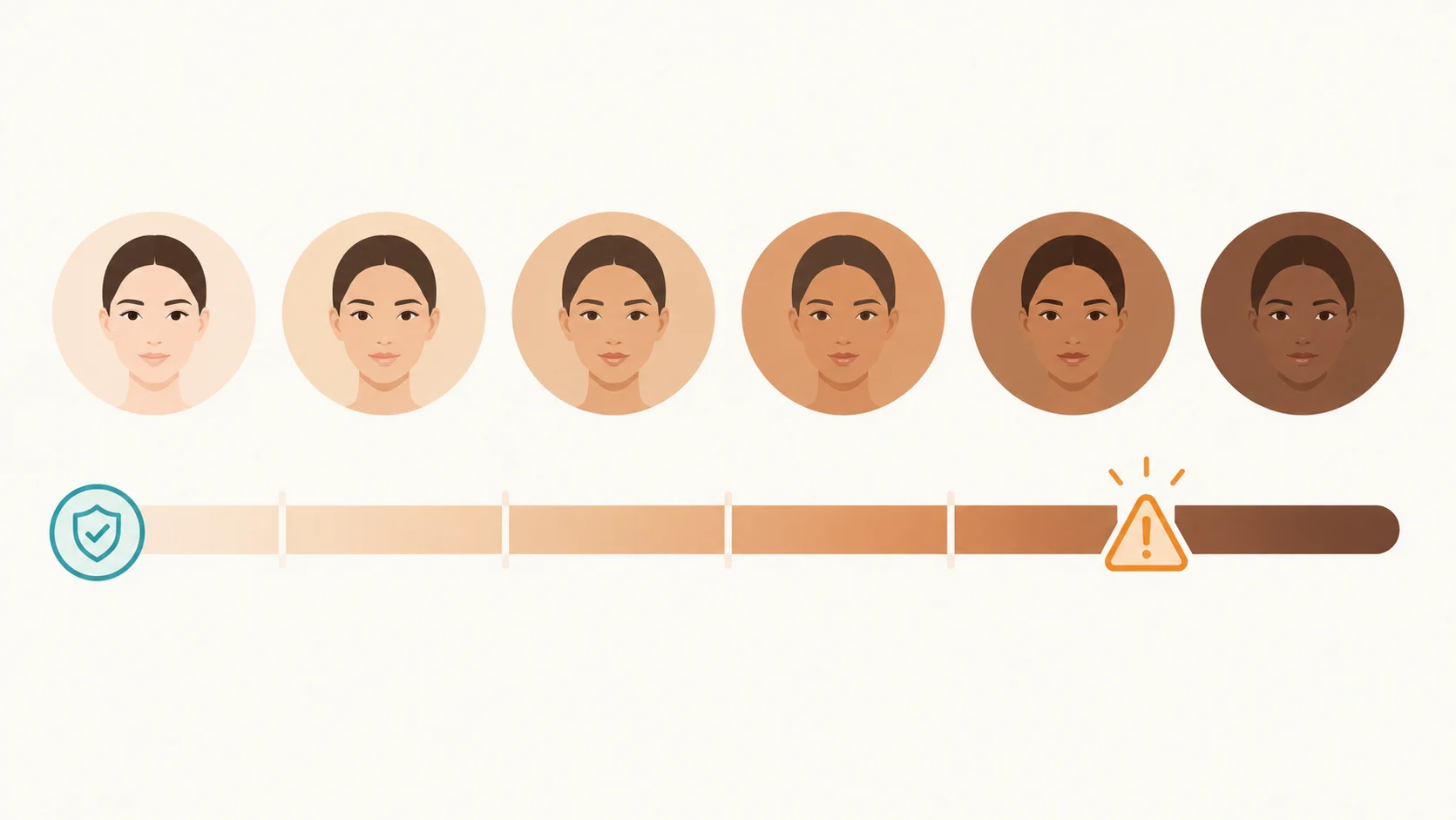
- Skin tone: Deeper skin tones are more prone to developing dark patches after aggressive peeling, so treatment is approached more conservatively and gradually in these skin types.
- Current skin condition: Active breakouts, broken skin, or a recent cold sore outbreak usually mean postponing a peel until the skin has settled.
- Downtime tolerance: Since deeper peels require more visible recovery time, personal schedule and tolerance for downtime genuinely factor into which depth is realistic.
- Pre-treatment skin conditioning: For most medium and deeper peels, several weeks of skin preparation beforehand meaningfully improves both safety and evenness of the result.
Treatment: What a Peel Session Actually Involves
A chemical peels session begins with thoroughly cleansing the skin to remove any oil or residue that could interfere with even penetration of the solution. The chosen solution is then applied in a controlled, systematic way across the treatment area, with the clinician closely watching how the skin responds as it’s applied.
This is where real clinical judgment matters most. The skin’s visible reaction – ranging from simple pinkness to a distinct whitish frosting effect – tells the clinician exactly how deep the peel has reached in real time, and treatment is stopped the moment the intended depth is achieved. Going further than intended, or stopping too early, is what separates a peel that delivers the right result from one that either does too little or causes unnecessary irritation. For lighter peels, the solution may be left to work for a set amount of time; for deeper formulations, the endpoint is judged visually rather than by the clock. Once the target depth is reached, the solution is neutralized or removed, and a protective skincare layer is applied to support the skin as healing begins.
Peel Depth Guide: What Each Category Is Used For
| Peel Depth | What It Targets | Typical Downtime |
|---|---|---|
| Very superficial / light peel | Dullness, mild congestion, light surface discoloration | Little to none; mild flaking for 1–2 days |
| Superficial peel | Mild acne, early sun spots, uneven surface texture | A few days of light peeling |
| Medium-depth peel | Fine lines, more established pigmentation, moderate sun damage | About a week of visible peeling and redness |
| Deep peel | Significant wrinkles, deep sun damage, structural scarring | Extended recovery of several weeks under close supervision |
| Focal spot treatment | Individual deep, narrow acne scars treated one at a time | Localized crusting at treated points only |
The right depth depends on the specific concern, skin tone, and how much downtime is realistic – this is a decision made with a dermatologist, not a one-size-fits-all routine.
What the Research Shows
Published dermatologic research supports several specific points about chemical peels:
- Depth directly determines clinical outcome: Research confirms that lighter peels improve surface dullness and mild congestion, while medium and deep peels are required to meaningfully improve established wrinkles or structural scarring, reinforcing why matching depth to goal matters so much.
- Skin tone significantly changes peel safety: Studies on darker skin types show a notably higher risk of lasting discoloration after aggressive or deep peeling, supporting a more gradual, conservative approach with gentler agents in these skin tones.
- Pre-treatment skin conditioning improves outcomes: Research shows that several weeks of preparing the skin before a peel, including calming pigment-producing cells in advance, measurably reduces the risk of post-treatment dark patches.
- Targeted, focal techniques work well for specific scar types: Research on treating individual, narrow acne scars with a highly concentrated, localized application shows meaningful improvement while limiting exposure of the surrounding healthy skin to unnecessary peeling.
These findings reflect published dermatologic research; the right peel depth and approach for an individual still depends on an in-person evaluation.
Doctor Review Block
This article has been medically reviewed by Dr. Tejansu Dalal, MD (Dermatology), for clinical accuracy. Chemical peels are genuinely versatile, but only when the depth is matched correctly to the concern and the skin tone being treated – this careful matching is what makes the difference between a peel that delivers real results and one that falls short or causes unwanted irritation.
References & Citations
This article draws on dermatologic peeling research, including findings published by the National Center for Biotechnology Information on the fundamentals and practical approach to chemical peels, and reference material from the National Institutes of Health on chemical peels for skin resurfacing. Clinical depth and safety details reflect published dermatologic research.