
Rough texture and uneven tone might show up together on the same face, but they’re actually two separate problems with two separate causes – and treating them as one single issue is exactly why some skin rejuvenation routines fall short. Understanding what’s really happening with each helps explain why the right treatment plan often needs more than one approach.
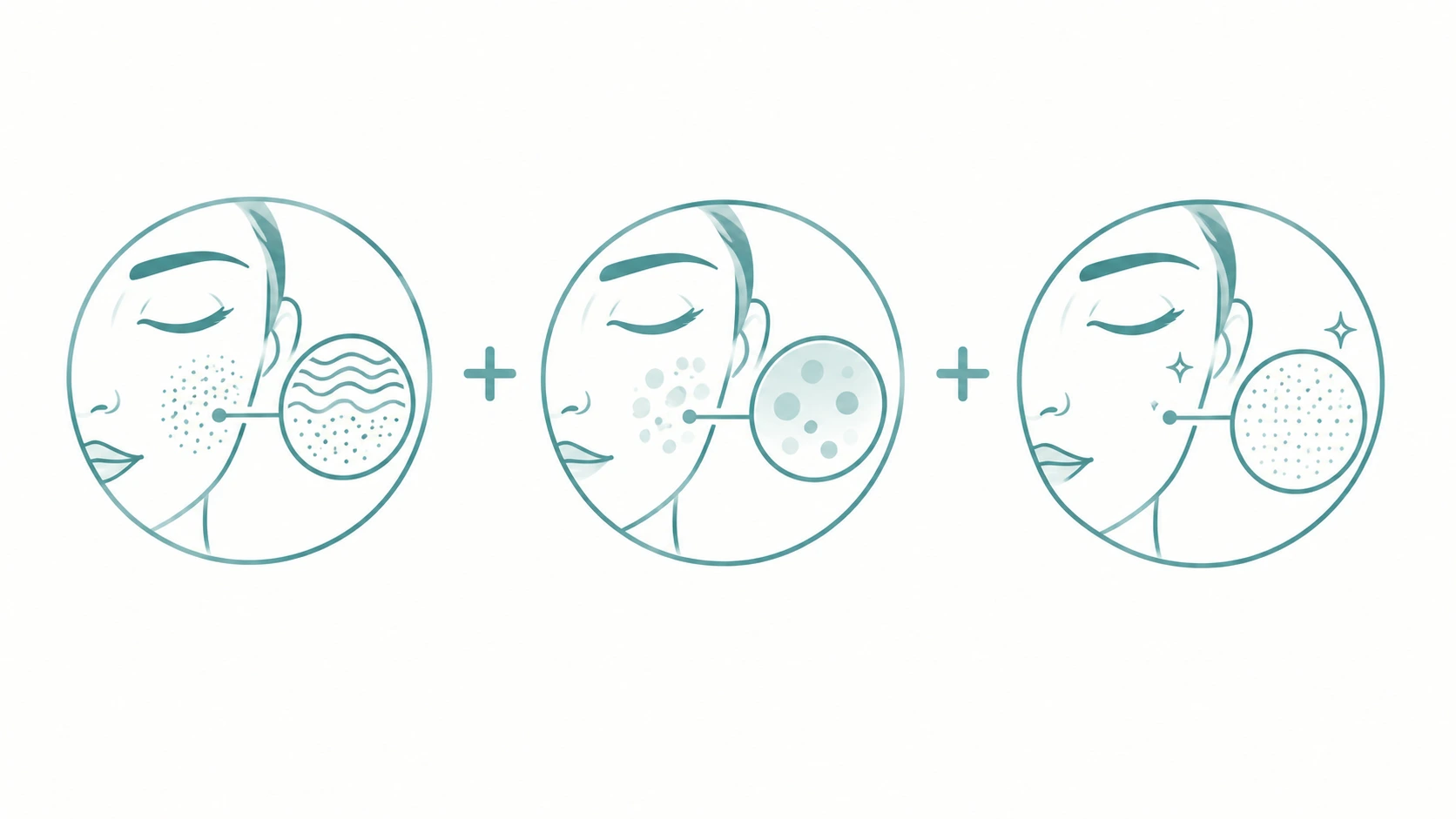
Skin rejuvenation for texture and tone works by treating two genuinely different problems – texture relates to the skin’s physical surface, while tone relates to pigment and color distribution beneath it. Textural concerns, like roughness, enlarged pores, or old acne scarring, generally respond to treatments that physically trigger new collagen production. Tonal concerns, like uneven pigmentation or redness, respond to treatments that target pigment-producing cells directly. Because they involve different mechanisms, the most effective rejuvenation plans often combine more than one technique, and the safest approach depends heavily on an individual’s skin tone.
Key Takeaways
- Skin texture and skin tone are driven by different biological processes, which is why a single treatment rarely fixes both roughness and unevenness equally well.
- Enlarged pores are caused by a combination of excess oil production and loss of elasticity around the follicle opening – not simply “large pores” as a fixed trait.
- Treatments that work mechanically, like microneedling, tend to carry a lower pigmentation risk than treatments relying on heat or light, making them a safer first choice for deeper skin tones.
- Preparing the skin for several weeks before more intensive treatments, with daily sun protection and pigment-calming skincare, meaningfully lowers the risk of dark patches afterward.
- Combining a core resurfacing treatment with supportive, biologically active skincare or injectable boosters can improve healing speed and overall results.
Introduction
“Skin rejuvenation” gets used as a catch-all term, but underneath it covers two genuinely separate concerns: how the skin feels and looks up close (texture) and how evenly colored it appears (tone). These two issues come from different biological processes, respond to different treatments, and carry different safety considerations depending on skin tone. This article breaks down what’s actually driving rough texture and uneven tone, how enlarged pores fit into the picture, and how a treatment plan is built safely around an individual’s specific skin.
What’s Actually Different Between Texture and Tone?
Skin texture refers to the physical surface of the skin – how smooth or rough it feels, how visible pores are, and whether there’s old scarring creating an uneven surface. This is largely determined by the structure of the deeper skin layers and how well collagen and elastic fibers are holding everything together. As these structures weaken with age and sun exposure, the surface becomes less even, pores can appear more prominent, and old acne scars become more noticeable.
Skin tone, on the other hand, is about color rather than surface structure. It’s governed by pigment-producing cells and how evenly they distribute color throughout the skin, along with underlying blood vessels that can create redness. Triggers like sun exposure, hormonal changes, or inflammation from past breakouts can cause these pigment cells to overproduce in specific areas, creating dark spots, patches, or an overall uneven complexion. Because texture and tone involve genuinely different mechanisms, a treatment that excels at smoothing texture may do very little for uneven tone, and vice versa.
Clinical Overview: Why Enlarged Pores Matter So Much
Enlarged pores sit right at the intersection of texture and tone, which is part of why they’re such a common frustration. A pore becomes more visible for a few specific reasons working together: higher oil production stretches the pore opening from within, while a loss of elasticity in the skin around the follicle causes the pore wall to collapse outward and appear wider. This is a gradual, structural change, not simply something people are “stuck with.”
Beyond just being visible, enlarged pores also affect how tone is perceived. A larger number of visible pores scatters light differently across the skin’s surface, creating subtle shadows that can make skin look duller or less even in tone, even when actual pigmentation hasn’t changed. This is exactly why treating pore size often improves how even someone’s skin tone appears to look, even though the underlying mechanism is structural rather than pigment-related.
Diagnosis: What Gets Assessed Before Treatment
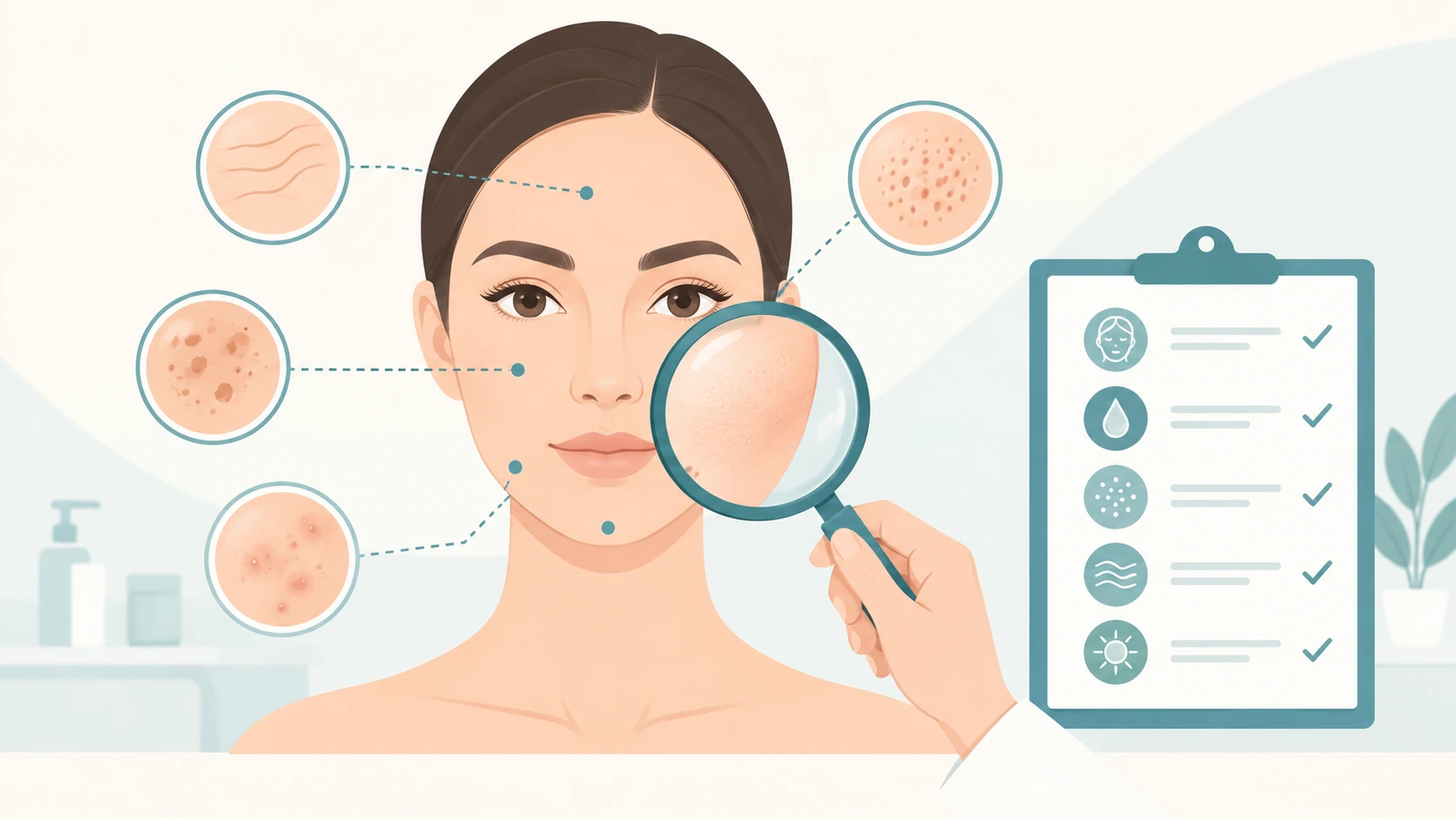
Before recommending a treatment plan, a dermatologist typically evaluates several factors together:
- Primary concern: Whether the main issue is roughness and texture, uneven pigmentation, or a mix of both changes which treatments are prioritized.
- Skin tone and phototype: Deeper skin tones require treatments specifically chosen to minimize the risk of dark patches forming after the procedure.
- Oil production and pore appearance: Oilier skin with more prominent pores may benefit from treatments that also help regulate oil production alongside resurfacing.
- Scar type, if present: Different types of acne scarring respond differently to treatment, and this shapes which specific technique is recommended.
- Prior reactions to treatment: A history of dark marks forming after previous procedures is an important signal for choosing a gentler, lower-risk approach going forward.
Treatment: Matching the Approach to the Concern
Skin rejuvenation treatment typically begins with a thorough assessment of skin tone and the specific texture or tone concern being addressed, since this directly determines which technique is safest and most effective. For textural concerns like roughness or mild scarring, treatments that physically create controlled micro-injuries – without relying heavily on heat – tend to be favored, since they stimulate genuine new collagen production while keeping the risk of pigment-related side effects low.
For tonal concerns, the approach shifts toward treatments that specifically target pigment cells, often using very short bursts of energy designed to break down excess pigment without generating much surrounding heat. In deeper skin tones, clinicians are especially selective about which technologies are used, favoring those that work through tissue structure rather than light absorption, since light-based treatments carry a higher risk of triggering dark patches in melanin-rich skin when not chosen carefully. Many treatment plans also incorporate supportive, biologically active serums or injectable boosters immediately after a resurfacing session, which can help the skin heal faster and enhance the collagen-building response already underway.
Technology Guide: What Each Approach Actually Does
| Treatment Approach | Primary Target | Best Suited For |
|---|---|---|
| Mechanical microneedling | Texture, mild scarring, enlarged pores | Lower pigmentation risk; suitable across skin tones |
| Radiofrequency-assisted microneedling | Deeper texture, more established scarring | Adds controlled heat for stronger collagen response |
| Short-pulse pigment-targeting laser | Dark spots, uneven tone | Breaks down pigment with minimal surrounding heat |
| Superficial exfoliating treatments | Mild roughness, dullness, surface congestion | Gentle option with minimal downtime |
| Pigment-calming topical actives | Supports tone evenness between procedures | Used as part of an ongoing skincare routine |
The right combination depends on skin tone, the specific texture or tone concern, and treatment history – this is a decision made with a dermatologist, not a one-size-fits-all routine.
What the Research Shows?
Published dermatologic research supports several specific points about skin rejuvenation for texture and tone:
- Mechanical, non-thermal techniques carry a meaningfully lower pigmentation risk: Research comparing resurfacing approaches confirms that non-thermal, mechanical treatments have a very low risk of triggering post-treatment dark patches, making them a favored option for deeper skin tones.
- Enlarged pore size is driven by measurable physical factors: Studies confirm that oil production levels and loss of skin elasticity around the follicle opening are the primary physical drivers of visible pore size, rather than pore size being a fixed, unchangeable trait.
- Short-pulse pigment-targeting treatments show strong safety data in darker skin tones: Clinical reviews focused on deeper Fitzpatrick skin types report favorable safety profiles for carefully selected short-pulse technologies when matched appropriately to skin tone.
- Pre-treatment skin conditioning measurably reduces complication risk: Research confirms that several weeks of sun protection and pigment-calming skincare before more intensive procedures significantly lowers the likelihood of post-treatment pigmentation issues.
These findings reflect published dermatologic research; the right technique and treatment plan for an individual still depends on an in-person evaluation.
Doctor Review Block
This article has been medically reviewed by Dr. Tejansu Dalal, MD (Dermatology), for clinical accuracy. Skin rejuvenation genuinely improves both texture and tone, but only when the specific concern and skin tone are both accounted for carefully – getting that matching right is what protects against unwanted pigmentation while still delivering real, visible improvement.
References & Citations
This article draws on dermatologic resurfacing research, including findings published by the National Center for Biotechnology Information on safe cosmetic treatment selection for deeper skin tones, and reference material from the National Institutes of Health on the physiology of oil-producing skin glands. Clinical mechanism details reflect published dermatologic research.