
Many people have a small pocket of belly fat that stays no matter how much they exercise or diet. It is frustrating, and it is exactly the problem that non-surgical body contouring promises to solve. The honest answer to “does it really work?” is yes, for the right person and the right kind of fat, and no, for several other situations. This guide explains who gets good results, what the treatment cannot do and what safety points you should know before booking.
Body contouring works on stubborn belly fat when the fat is the pinchable kind just under the skin. After fat freezing, the treated fat layer typically becomes about 20% to 25% thinner over two to three months, and most well-selected patients are satisfied. It does not work for weight loss, for the deeper fat around the organs, for loose skin or for a belly that bulges because of separated stomach muscles. A rare but real side effect is a firm, enlarged patch of fat in the treated area, which can need surgery to correct. Choosing the right candidate is what separates a good result from a disappointing one.
Introduction
Belly fat that does not go away is rarely a matter of willpower. Fat in the lower belly is genuinely more resistant to diet and exercise than fat elsewhere, because of how its cells respond to the body’s fat-burning signals and its relatively low blood supply. That is why you can lose weight in your face and arms and still keep a small, firm pocket on the lower belly.
Non-surgical body contouring works directly on that stubborn pocket, without surgery or anaesthesia. But it is a sculpting treatment, not a weight-loss treatment, and understanding that difference is the key to being happy with the result.
What Body Contouring Is?
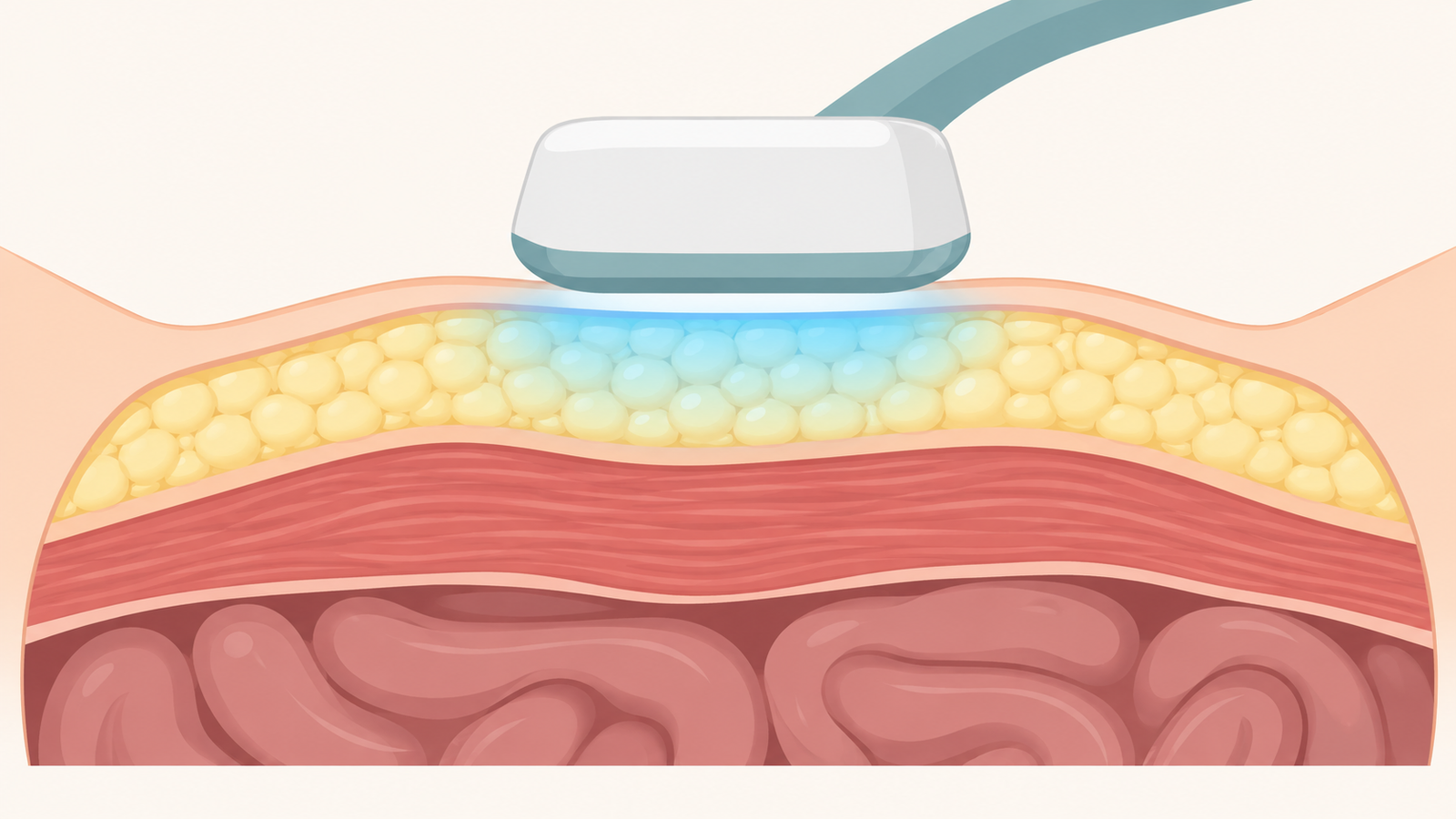
Non-surgical body contouring refers to treatments that reduce small, localised pockets of fat without cutting the skin. The method on which this article focuses is fat freezing, also called cryolipolysis. A cooling applicator is placed on the area and gently draws the fat in. Fat cells are more sensitive to cold than the skin and tissue around them, so controlled cooling damages the fat cells while sparing the skin.
Other methods use heat, radiofrequency, sound waves or low-level light to damage fat cells. All of these act on the fat just under the skin. None of them can reach the deeper fat around the internal organs.
Diagnosis: Who Gets Good Results
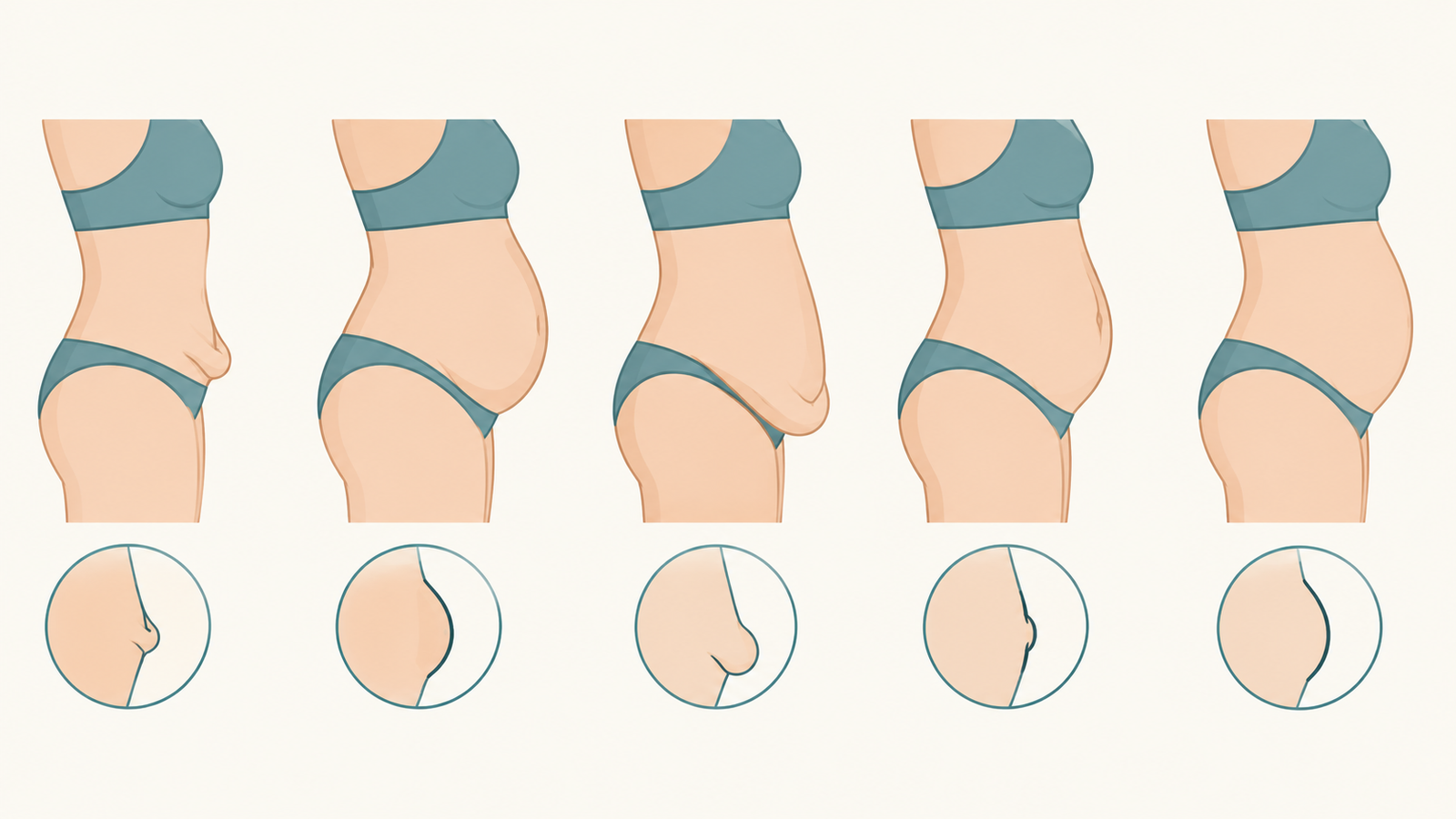
The assessment is the most important part of body contouring, because the same-looking belly can have very different causes. A thorough examination by the best dermatologist in Ahmedabad will check four things: how much of the bulge is pinchable fat just under the skin, how firm and elastic the skin is, whether the stomach muscles have separated and whether your weight is stable.
Usually a good candidate:
- Normal weight or mildly overweight
- A pinchable pocket of fat that does not respond to diet and exercise
- Firm, elastic skin
- Stable weight and realistic expectations
Often not a good fit:
- A belly that is large mainly because of deep, internal fat, which cannot be reached
- Loose, hanging or stretched skin, as in after pregnancy or major weight loss
- A bulge caused by separated stomach muscles
- People seeking weight loss in general
For these situations, other options such as surgery may be more suitable, and an honest doctor will tell you so instead of recommending a treatment that will disappoint.
Clinical Overview: How Fat Freezing Works
When fat cells are cooled in a controlled way, they are injured and die in a gentle, natural process. Over the following weeks, the body’s cleaning cells clear the damaged fat cells through the lymph system, and the liver handles the released fats at a slow pace. This is why results appear gradually, over about 4 to 12 weeks, instead of immediately.
Studies show that the fat layer in the treated area becomes about 20% to 25% thinner after a single treatment, and waist measurements fall in a meaningful way. Importantly, body weight does not change in a meaningful way. Blood cholesterol, blood sugar and other health markers also stay the same, because the fat is cleared so slowly that the body easily handles it. This also means body contouring has no health benefit for obesity, diabetes or metabolic problems.
Fat cells that are removed do not come back. But the remaining fat cells can still grow if you gain weight, so a stable lifestyle protects the result.
Treatment: What a Session Involves
A planned body contouring treatment starts with marking the area to be treated and checking the fat pocket by pinch. A gel pad is placed on the skin, and the applicator is positioned over the area. Most people feel strong cold and pulling in the first few minutes, which settles as the area becomes numb. A session typically takes under an hour per area, no anaesthesia is needed and most people return to normal activity straight away.
Afterwards, the area may feel numb, tingly, red, swollen or tender, and bruising can occur. These effects usually settle within two to six weeks. Gentle massage and good hydration help, and you should keep your weight stable. Visible improvement builds over two to three months, and your doctor will assess whether another session on the same area is worthwhile. A good clinic ahmedabad will talk through this timeline openly, with before and after measurements, so that you can judge your result properly.
An important safety point. A rare side effect of fat freezing is a painless, firm, enlarged patch of fat that appears two to six months after treatment, in the shape of the applicator. It does not go away on its own, and repeat freezing makes it worse. Treating it usually needs a surgical procedure to remove the fat, after waiting about six months for the area to settle. Reported rates vary between studies, from about 1 in 110 to about 1 in 455 treatments in independent reviews, and earlier manufacturer figures were much lower. Newer applicator designs have reduced the rate substantially. You should be told about this risk before treatment, and you should report any new firmness or bulge in the treated area to your doctor early.
What the Research Shows?
Published studies and reviews of non-surgical body contouring show consistent patterns:
- It reduces local fat: Ultrasound measurements show a thinner fat layer, and waist circumference drops after treatment. Fat layer thickness falls by around 20% to 25% about two to three months after one fat-freezing session.
- It does not reduce weight: Studies do not show a meaningful change in total body weight.
- It only treats the fat under the skin: Scans show no reduction in the deeper fat around the organs, which is the fat most linked to health risks.
- Satisfaction is good in suitable candidates: About 84% to 88% of well-selected patients are satisfied.
- Health markers stay the same: Cholesterol, blood sugar, inflammation markers and blood pressure do not change after treatment.
- Most side effects are mild: Redness, swelling, bruising and numbness settle within two to six weeks.
- A rare enlargement of fat can occur: Reports range from roughly 1 in 110 to 1 in 455 treatments in independent studies. It needs surgical correction.
- Patient selection matters most: Results are best in people with normal or mildly raised weight, firm skin, pinchable fat and intact stomach muscles.
These findings come from published reviews and studies. Your own result depends on your body, your skin and how your treatment is planned.
Which Option Suits Which Belly
| Your Belly Type | What Usually Fits | Why |
|---|---|---|
| Small pinchable pocket, firm skin, normal or mildly raised weight | Non-surgical fat reduction such as fat freezing | Acts on fat under the skin with no downtime |
| Moderate pockets in several areas | Surgical fat removal | Removes larger volumes, but needs anaesthesia and recovery time |
| Loose, hanging skin or marked stretch marks | Surgery that removes excess skin | Fat reduction alone cannot tighten loose skin |
| Bulge from separated stomach muscles | Surgery that repairs the muscle wall | No fat treatment can correct the muscle gap |
| Mostly deep belly fat with a hard, round belly | Weight loss with diet, exercise and medical guidance | Only systemic weight loss reduces deep fat |
This table shows general patterns. Your doctor decides the right plan after examining you, and may refer you for surgical options if they suit you better.
Key Takeaways
- Body contouring reduces localised fat just under the skin. It does not reduce deep belly fat or body weight.
- A typical result is about a quarter thinner fat layer in the treated area after two to three months.
- Best candidates have a pinchable fat pocket, firm skin, a stable weight and intact stomach muscles.
- Loose skin and separated stomach muscles need other solutions.
- Common side effects are mild and settle in two to six weeks. A rare fat enlargement can need surgical correction.
- A proper assessment and honest advice matter more than the machine.
Doctor Review Block
This article has been medically reviewed by Dr. Tejansu Dalal, MD (Dermatology), for clinical accuracy. The patients who are happiest are those who came with a clear, small target area and understood this is sculpting and not weight loss. Telling a patient that a different option would suit them better is part of good care.
References & Citations
This article draws on published research on non-surgical body contouring, including a study of the incidence of fat enlargement after fat freezing published by the National Center for Biotechnology Information and a review of the mechanisms and effects of non-invasive body contouring from the National Institutes of Health. Figures and timelines reflect published clinical research.