
Liposculpting changes your shape in one procedure, so it is natural to ask how long the change will stay. The honest answer is that the fat cells removed do not come back in the treated area, but the cells left behind can still grow if your weight rises. Your habits after the procedure matter as much as the procedure itself. This guide explains what stays, what can change, and what helps you keep your result for years.
Liposculpting results are long lasting in most people because the fat cells removed from the treated area do not grow back. In a large five year study, about 8 in 10 people kept a stable improvement in shape. The result can change if you gain a lot of weight, because the fat cells that remain can enlarge, and if you stay inactive, because fat can collect in other areas. Pregnancy, major weight loss and weight loss injections can also change how the result looks. A steady weight and regular exercise are the best way to keep it.
Key Takeaways
- Fat cells removed in the treated area do not grow back in large numbers, which is why results last.
- Remaining fat cells can still enlarge, so a large weight gain can change the result.
- In a five year study, about 8 in 10 people kept a stable improvement.
- Staying inactive can lead fat to collect in other areas, so regular exercise matters.
- Pregnancy, rapid weight loss and weight loss injections can change how the result looks.
- Careful technique, not smoking and a stable weight improve long term results.
- Liposculpting shapes the body. It is not a way to lose weight.
Introduction
Many people consider liposculpting after they have already tried diet and exercise and still have a stubborn pocket of fat on the abdomen, flanks, thighs, arms or under the chin. They want to know one thing before deciding: will it last?
There are two common mistakes. One is believing the result is permanent no matter what you do afterwards. The other is believing that fat simply returns somewhere else no matter what. Neither is fully true. Research shows that results are long lasting in most people who keep a stable weight and stay active, and that results change when weight rises sharply, when activity drops, or when major life events such as pregnancy or rapid weight loss change the body.
Knowing how this works helps you set fair expectations and protect your result.
What Liposculpting Is?
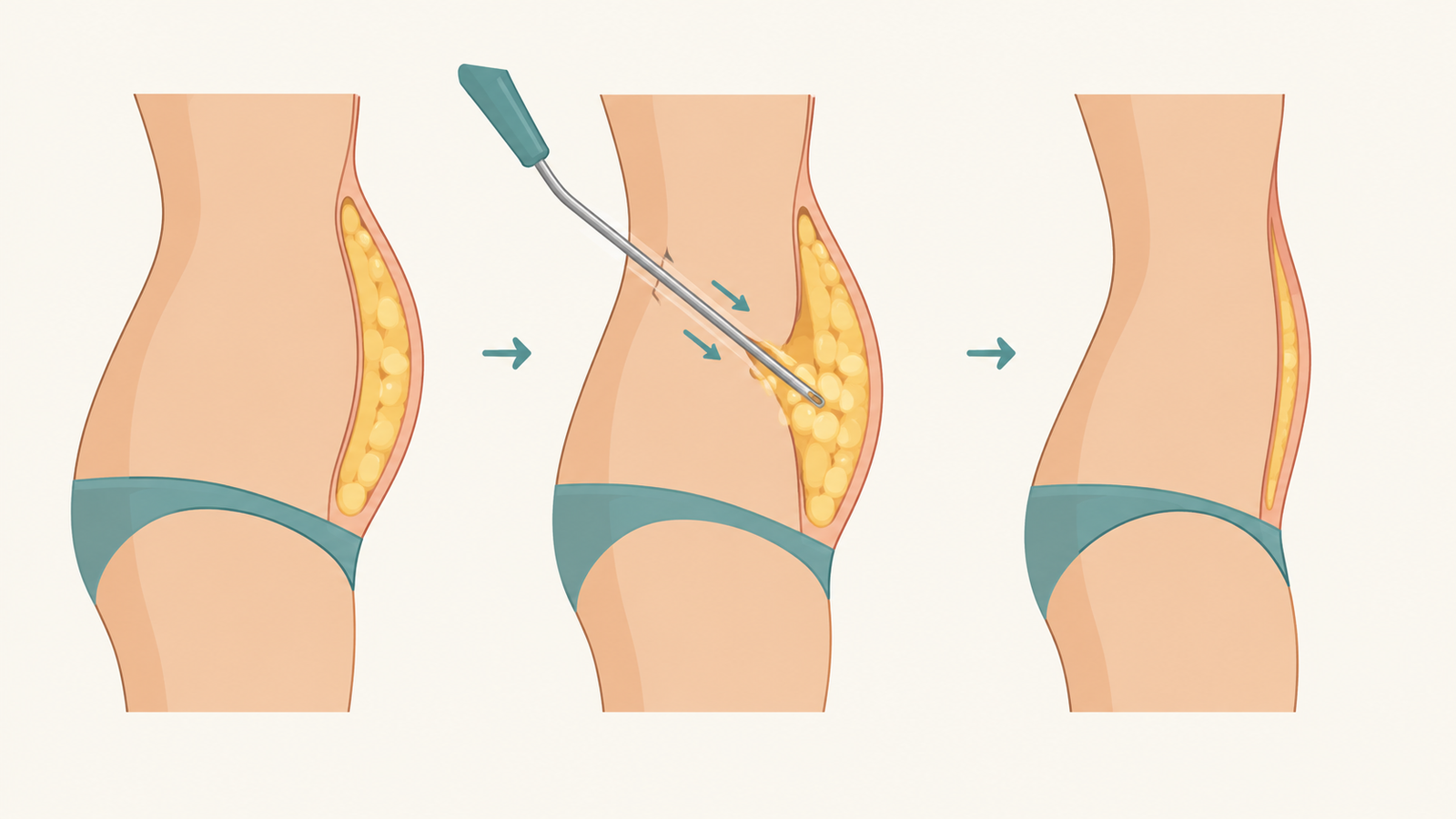
Liposculpting is a surgical body contouring procedure that removes stubborn fat from chosen areas and shapes the surrounding area so the body line looks smoother and more defined. It is a refined form of liposuction. Thin tubes are used to take out fat from just under the skin, and the doctor then sculpts the area so the result looks natural.
It is meant for localised fat in people who are near a healthy weight. It is not a weight loss treatment.
Why the Result Is Long Lasting
Fat is stored in fat cells. In adults, the total number of fat cells stays fairly steady. They are replaced slowly, at roughly one in ten per year, and the number does not rise much when we gain weight. When we gain or lose weight, existing fat cells mostly swell or shrink.
Liposculpting removes a share of fat cells from the treated area. Because adults do not rebuild those cells in large numbers, that area now has fewer cells available to store fat. Even if you gain some weight later, the treated area tends to gain less than the untreated parts of your body, so the new shape stays in proportion.
This is the main reason results last. It is also why the result is not frozen. The cells that are left can still expand.
What Research Shows About Five Year Results
Several studies have followed people for years after fat removal.
- Long term shape: In a large study that followed about 1,200 people for five years, around 79 in 100 kept a stable improvement in their contour, and satisfaction scores stayed higher than before the procedure.
- Revisions: About 9 in 100 people later needed a touch-up, mostly because of small contour irregularities, scarring or weight changes.
- Serious problems: Major complications were uncommon, at around 2 in 100. Higher body weight, smoking and very large volumes of fat removal in one go were linked to more problems and poorer long term shape.
- Careful technique helps: In a review of nearly a thousand people, taking fat from the deeper layer and leaving the thin layer just under the skin untouched gave smoother results and lower rates of ripples and hard areas over time.
- Weight stays an important factor: A photographic study of 301 patients found long term fat reduction in treated areas without major shifts elsewhere when body weight stayed stable.
| What Was Measured | Approximate Finding |
|---|---|
| Stable contour at five years | About 79 in 100 people |
| Later touch-up needed | About 9 in 100 people |
| Major complications | About 2 in 100 people |
| Visible contour irregularity | About 6 in 100 people |
| Lasting swelling | About 5 in 100 people |
| Fluid collection under the skin | About 3 in 100 people |
These figures come from published studies in selected groups of patients. Your own risk depends on your health, your weight and the technique used.
What Can Change Your Result
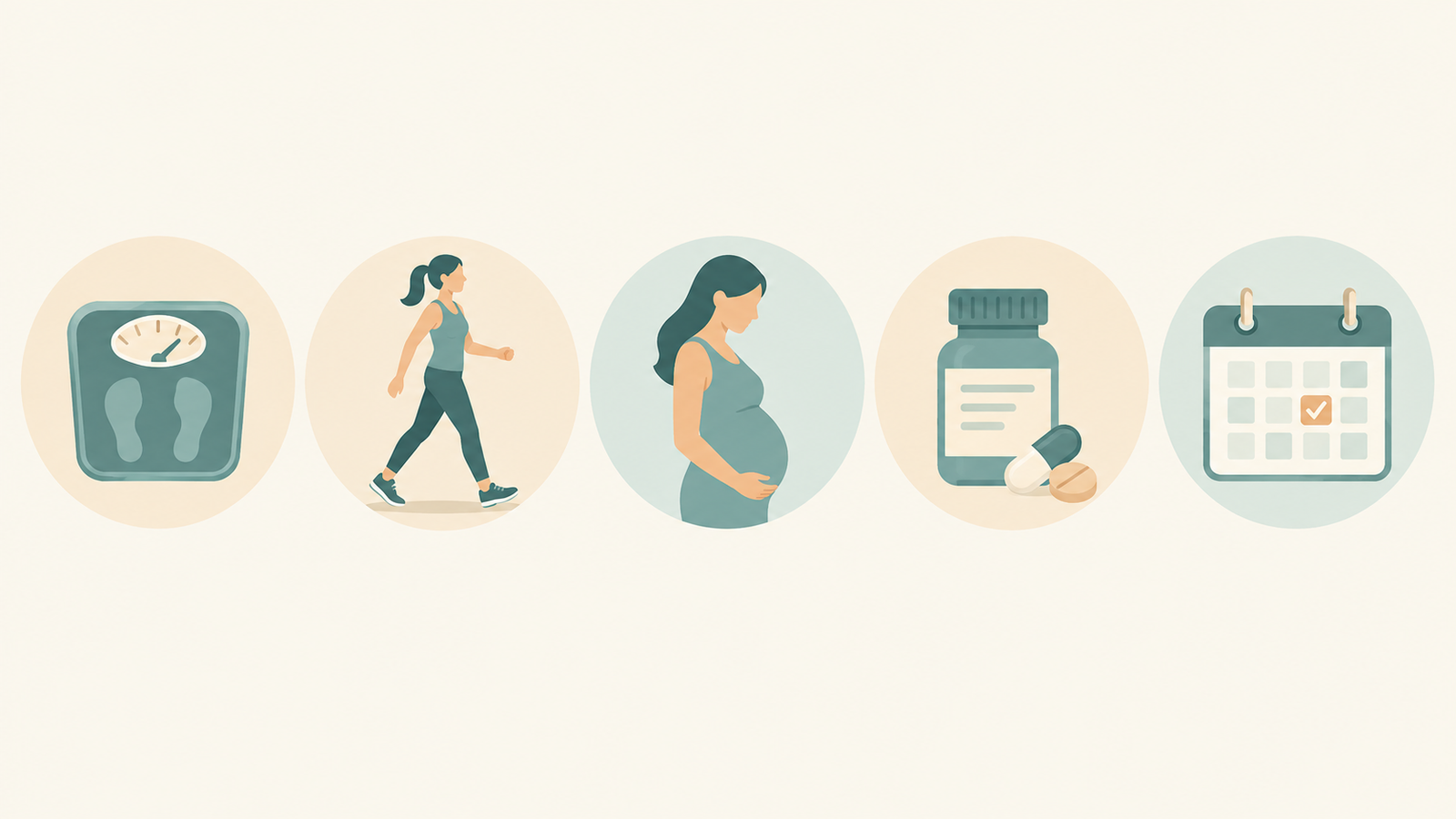
1. Weight gain. If you gain a lot of weight, the remaining fat cells in the treated area can swell. A gain of around 10 to 15 percent of body weight is enough to blur the sharpness of the original result.
2. Staying inactive. In a controlled study, women who had fat removed and then stayed inactive slowly regained their total body fat over six to twelve months. The thigh area stayed smaller, but fat built up in other places, including inside the abdomen, where it is less visible but less healthy. Women who exercised after the procedure did not show this increase in deep abdominal fat. The compensatory increase in visceral fat reported in the study is the reason doctors stress activity after liposculpting.
3. Pregnancy. The fat cells removed beforehand stay removed. But pregnancy stretches the skin and abdominal muscles, and fat can collect in deeper layers, so the abdomen can look different afterwards. Many people see partial improvement as weight and hormones settle.
4. Weight loss injections and rapid weight loss. Fast weight loss shrinks fat cells everywhere and can reduce muscle too. In treated areas this can leave looseness or hollows. Stopping these injections can also bring a quick weight rebound, which may show unevenly.
5. Ageing and skin quality. As skin loses firmness with age, it can sag over a smooth contour. Skin tightness at the time of the procedure matters for how well it settles.
Habits That Protect Your Result
| Habit | Why It Helps |
|---|---|
| Keep a steady weight | Stops remaining fat cells from enlarging |
| Exercise regularly after healing | Helps prevent fat from collecting inside the abdomen and in other areas |
| Wear the compression garment as advised | Supports healing and smooth settling of the skin |
| Avoid smoking | Smoking is linked to poorer healing and more late problems |
| Plan pregnancy and weight loss with your doctor | Lets you time touch-ups and protect the result |
| Protect skin from the sun and keep it moisturised | Supports skin quality over a smooth contour |
Who Is Likely to Keep Results Longest
People who tend to keep their results longest:
- Are close to a healthy weight with localised fat
- Have good skin tone and elasticity in the area
- Do not smoke
- Stay active after healing
- Have realistic expectations about shape, not weight loss
- Treat a reasonable amount of fat in one session instead of very large volumes
People who may need more careful planning:
- Those who expect to lose a large amount of weight soon
- Those planning pregnancy in the near future
- Those on rapid weight loss medicines
- Those with loose skin in the area, who may need a different or added treatment
- Those with certain health conditions or who take blood thinners, which the doctor must review first
Planning Liposculpting With a Doctor
A consultation with the best dermatologist in Ahmedabad includes a look at your body shape, skin firmness, weight history, health and goals, and an honest talk on whether liposculpting suits you or whether another option is better. Planned liposculpting usually involves marking the areas while you stand, numbing medicine or general anaesthesia depending on the area, removal of fat through small openings, shaping of the area and then a compression garment to support healing.
After the procedure:
- Swelling and bruising are common and can take weeks to settle. The final shape often becomes clear only after the swelling has gone.
- Follow your doctor’s advice on the compression garment, walking and when to return to exercise.
- Keep follow-up visits so that any lumps, fluid collection or uneven areas are caught early.
A cosmetic dermatologist in Ahmedabad will also tell you when a non-surgical option, such as fat freezing, may be enough for small pockets, and when liposculpting is better.
Doctor Review Block
This article has been medically reviewed by Dr. Tejansu Dalal, MD (Dermatology), for clinical accuracy. In my experience, people who understand early that the result depends on a steady weight and an active routine are the happiest years later. Liposculpting gives a lasting new shape. Keeping it is a shared effort between the procedure and your habits.
References & Citations
This article draws on published research on liposuction outcomes, including a study reporting an increase in visceral fat after fat removal in inactive people, published through the National Library of Medicine, and a photographic study of 301 patients showing long term fat reduction in treated areas. Percentages reflect published studies in selected patient groups.