
Many people with melasma finally see their patches fade after a course of laser toning, and then watch them slowly come back a few months later. It is frustrating, and it leaves many wondering whether the treatment failed or whether they did something wrong. In most cases, neither is true. Melasma is a long-term skin condition with several hidden drivers, and a laser can only deal with some of them. This guide explains what laser toning does, why melasma tends to return, how to lower the chance of relapse and who should be careful.
Melasma returns after Q switched laser toning because the laser only fragments existing pigment and does not switch off the cells that make it. Sun and visible light, hormones, heat, skin irritation and structural changes in the deeper skin keep those cells active, so pigment slowly rebuilds when treatment stops. Relapse is common, which is why doctors combine laser with daily sun and visible-light protection and a home care plan. Overtreatment, with sessions that are too frequent, too many or too strong, can cause white spots or darker rebound pigmentation, so more is not better.
Key Takeaways
- Melasma is a long-term, relapsing condition, so even a good laser result usually needs ongoing care to last.
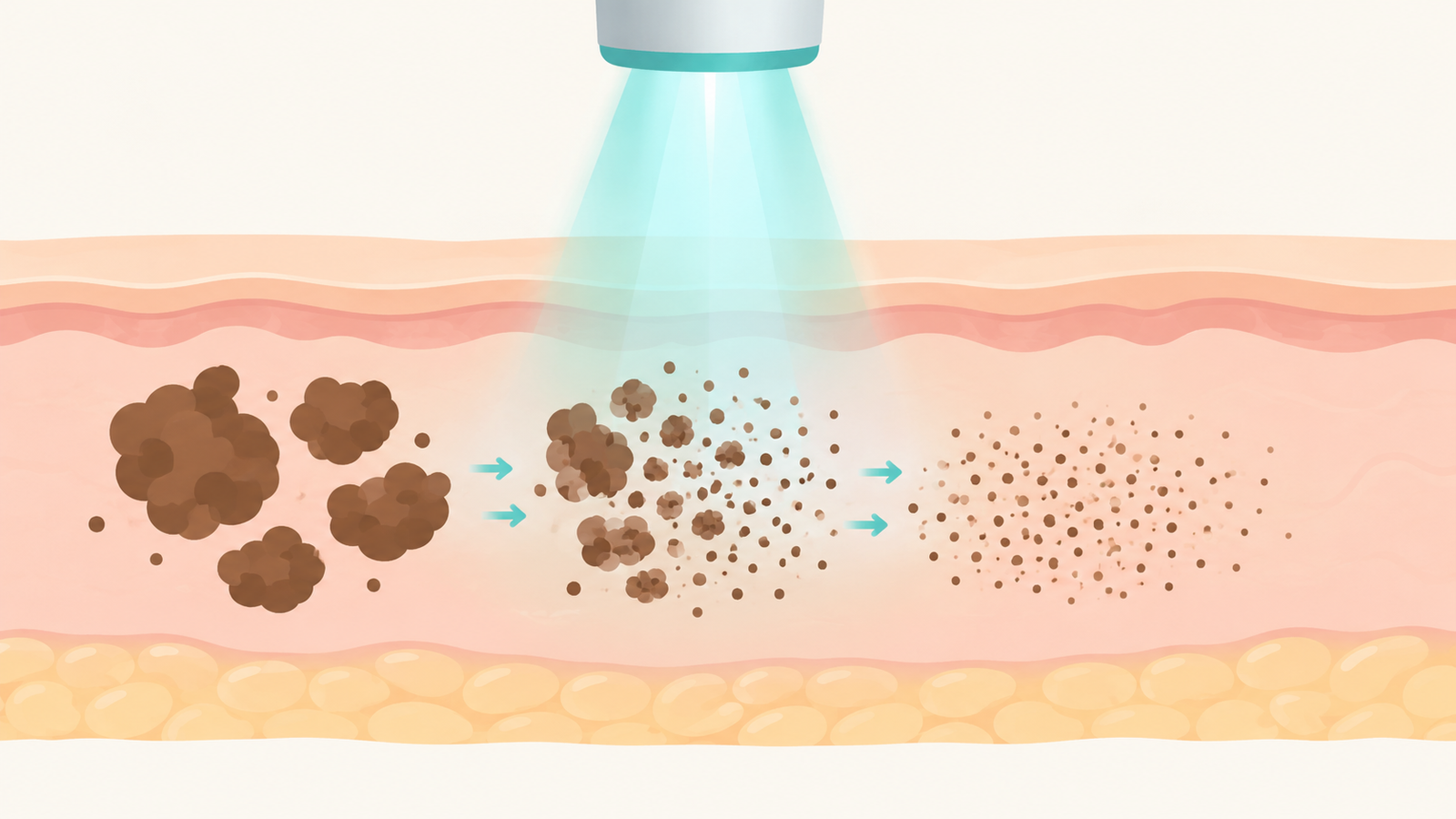
- Q switched laser toning breaks pigment into tiny pieces using very gentle energy, but it leaves the pigment-making cells alive. That is why they can restart production.
- Sun, visible light, hormones, skin inflammation and changes deeper in the skin can all keep melasma active.
- Too many sessions, sessions too close together or settings that are too strong can cause white spots or darker rebound patches.
- Sessions are usually spaced weeks apart, and deeper skin tones often need longer gaps.
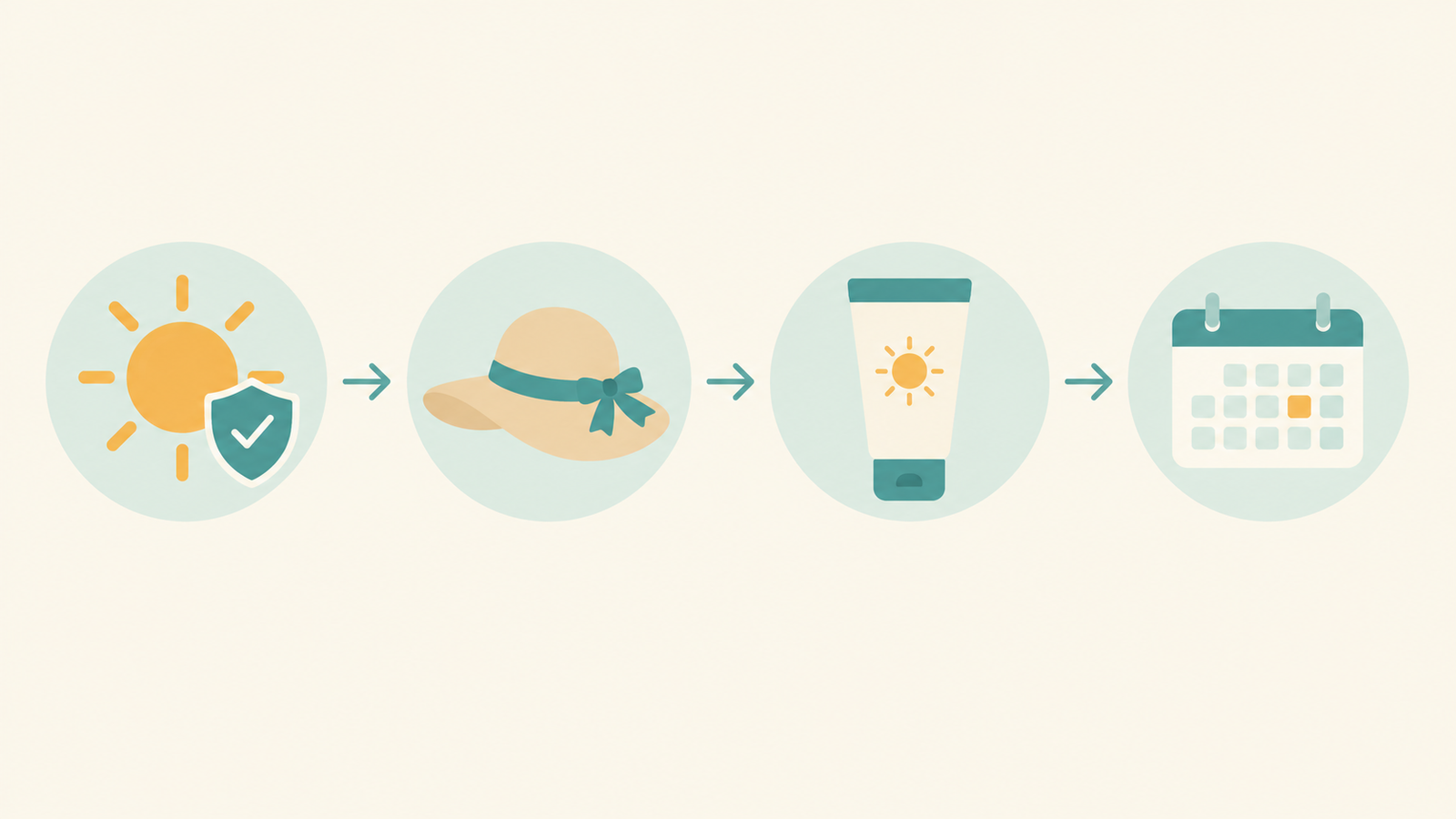
- Daily protection from sun and visible light, and a home plan from your doctor, are as important as the laser sessions.
- Laser toning is usually an add-on when creams alone are not enough, not the first or only step.
Introduction
Melasma shows up as brown or grey-brown patches, usually on the cheeks, forehead and upper lip, in a fairly even pattern on both sides of the face. It is especially common in women with medium to deeper skin tones, including many in India, and it often flares with sun exposure, hormonal change and heat. Because it affects the face, it can weigh heavily on confidence.
Creams and sun protection are the foundation of treatment. When they are not enough, doctors sometimes add laser toning. The honest picture is that laser toning can lighten melasma, but it is not a cure, and relapse is a normal part of the story rather than a sign that something went wrong.
What Q Switched Laser Toning Is?
Q switched laser toning uses very short bursts of gentle laser energy, in several light passes over the face. The energy is absorbed by pigment, which is broken into tiny pieces that the body then clears away. Because the energy is kept low, the skin is not burned, and most people have only mild redness or warmth that settles within hours.
Compared with older, stronger lasers that could damage the skin and worsen pigment, laser toning was designed to be gentle enough for deeper skin tones. The trade-off of that gentleness is important for understanding relapse: the laser spares the pigment-making cells, so they are still there afterwards.
Clinical Overview: Why Melasma Comes Back
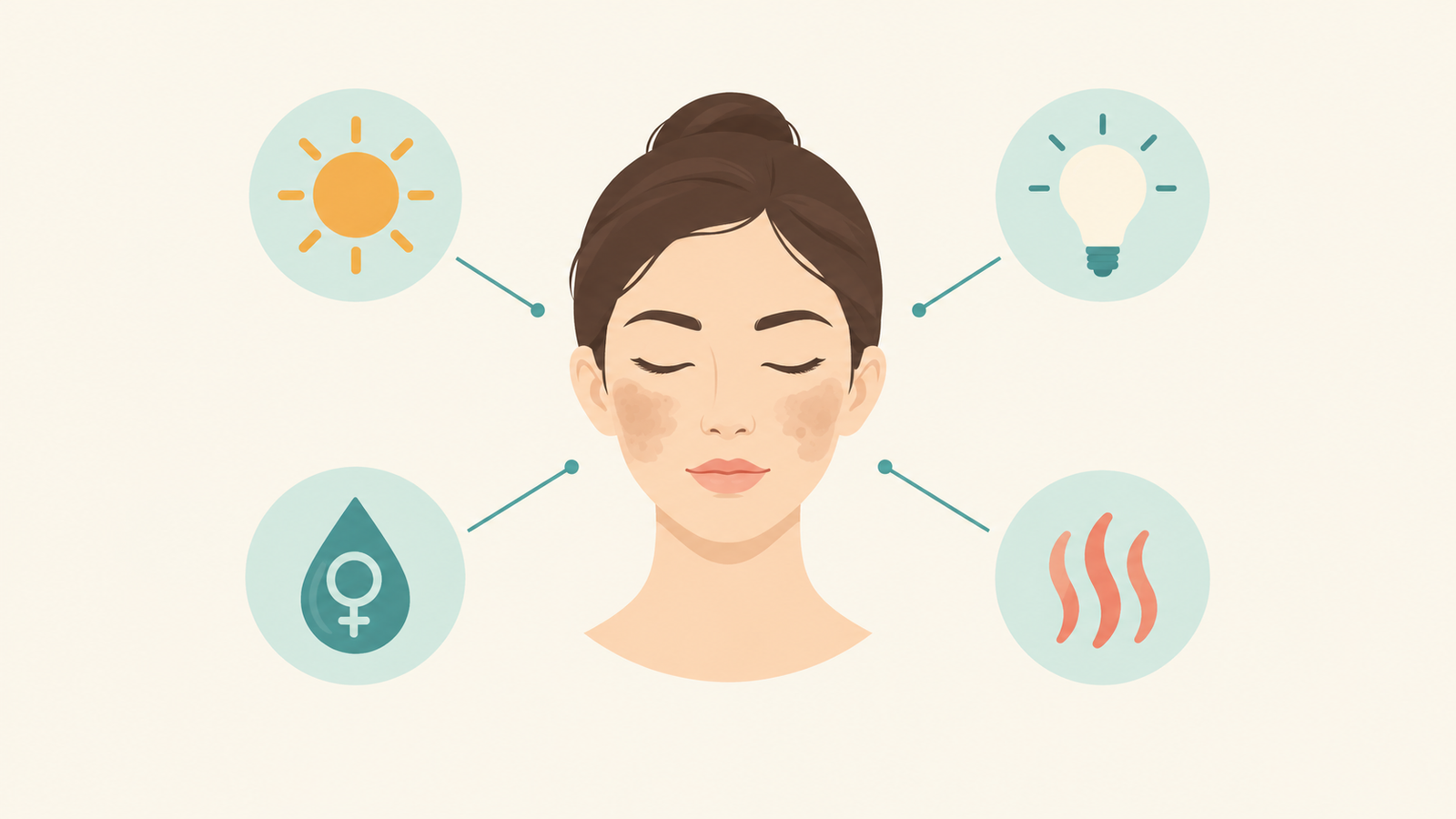
Melasma is not just a surface stain. Several things keep it going, and laser toning reaches only some of them.
- The pigment-making cells survive. Gentle toning breaks up existing pigment but leaves the cells alive. When treatment stops, they can start making pigment again.
- Sun and visible light keep switching them on. Ultraviolet light is a known trigger. Visible light, especially blue light from the sun, and also from some screens and indoor lighting, can also stimulate pigment cells, particularly in deeper skin tones. Many ordinary sunscreens block ultraviolet light well but do little against visible light.
- Hormones play a role. Pregnancy, some contraceptive medicines and hormonal changes can bring melasma on or make it worse. A laser cannot change this.
- The deeper skin is involved. In many people, the layer that anchors the surface skin is weakened by years of sun exposure. Pigment cells and pigment-carrying cells settle deeper, and these deeper stores can refill the surface.
- Blood vessels and inflammation feed the cells. Melasma skin often has more tiny blood vessels and more irritation signals, which can encourage pigment production.
- Heat and irritation add to the problem. Anything that inflames the skin can restart pigment.
Because of these hidden drivers, lightening the surface alone does not remove the reasons melasma formed.
What the Research Shows?
Reviews of laser toning for melasma agree on several points:
- It can help stubborn melasma: Low-energy toning can lighten melasma in many people, and it is often used when creams alone have not been enough.
- Relapse is common: After a course of about 10 sessions in many studies, melasma often returns once treatment stops, particularly without ongoing home care and sun protection.
- Gentle settings matter: Low energy, even coverage and enough time between sessions lower the chance of side effects.
- Overtreatment is a real risk: Frequent, repeated toning has been linked to patchy white spots, sometimes described as confetti-like, which can be hard to treat and may be permanent, and to rebound darkening beyond the starting point.
- Weekly sessions and long courses raise the risk: Sessions too close together, very high settings, or continuing well beyond 12 to 15 sessions have been linked to more complications.
- Deeper skin tones need more care: Longer gaps and cautious settings are generally advised.
- Newer approaches are being tested: Some clinics split the energy into two gentle pulses or combine different laser modes to treat the pigment and the tiny blood vessels together. Early studies suggest fewer side effects, but most are small and short, so they are not yet proven better for everyone.
- Preparing the skin helps: Doctors often start a fading cream plan before lasers to calm pigment cells, which allows gentler laser settings.
- Home care keeps results: Daily protection from sun and visible light, and maintenance products from your doctor, are central to lasting results.
- No single treatment ends melasma: Guidelines describe melasma as a condition to be controlled with a combination of approaches, not cured with one.
These findings come from published reviews and studies. Your own result depends on your skin, your triggers and how carefully the treatment is planned.
Diagnosis: Who Suits It and Who Should Wait
A proper diagnosis comes first. Several conditions look like melasma, including sun damage, post-inflammatory marks, drug-related pigment and other causes of dark patches. A best dermatologist in ahmedabad for skin will examine your skin, ask about sun exposure, pregnancy, hormonal medicines and skin products, and decide whether the pigment is mostly on the surface or deeper before choosing a plan.
Often considered for laser toning:
- Melasma that has not improved enough with creams and sun protection
- Uneven tone and dullness from sun damage
- People willing to follow a home care plan and understand that relapse is possible
Usually needs caution, or waiting:
- A fresh tan or recent heavy sun exposure
- Skin that is irritated, inflamed or has an active infection or open wounds
- Pregnancy, where doctors usually prefer to wait
- A history of marks that stay dark or turn white after skin injury
- Expectations of a one-time cure
- Hormone-driven flares that have not been addressed
If you are choosing a clinic for pigment concerns, a best cosmetic dermatologist in Ahmedabad should be able to explain these points and tell you when not to laser.
What Lowers the Chance of Relapse?
| Step | What It Does | Why It Matters |
|---|---|---|
| Daily sun protection, reapplied through the day | Blocks ultraviolet light | Sun is the best-known trigger |
| Protection from visible light, such as tinted mineral sunscreens, hats and shade | Reduces blue-light stimulation of pigment cells | Many regular sunscreens do not cover visible light |
| A fading cream plan from your doctor before and after laser | Calms pigment cell activity | Allows gentler laser settings and slows relapse |
| Spacing sessions several weeks apart, with longer gaps in deeper skin | Lets pigment clear and the skin recover | Frequent sessions raise the risk of white spots and rebound darkening |
| Stopping at a sensible number of sessions | Avoids cumulative damage | More laser is not better |
| Addressing hormonal triggers with your doctor | Treats a root cause that lasers cannot | Hormonal flares often cause relapse |
| Gentle skincare and avoiding heat and irritation | Keeps the skin calm | Inflammation can restart pigment |
| Planned review and maintenance | Catches early relapse | Early patches are easier to control |
This table shows general patterns. Your doctor will build a plan for your skin, and you should not change any cream or medicine without advice.
Treatment: How Sessions Are Planned
A planned Q switched laser toning course starts with an assessment, a decision about whether to prepare the skin with creams first and a test of how your skin responds. During a session, the face is cleaned, eye protection is placed and the laser is passed evenly across the face several times. Most people feel a light snapping or warmth, and the skin may be slightly pink for a few hours afterwards.
Spacing and number of sessions. Sessions are usually spaced a few weeks apart, with longer gaps often preferred in deeper skin tones, instead of every week. The number varies with the person. Courses of around 10 sessions are common in studies, and the plan is reviewed along the way, so that sessions can stop when the benefit levels off instead of continuing automatically.
Right after treatment.
- Use the sun protection and gentle skincare your doctor advises
- Avoid scrubbing, harsh products and heat for the first few days
- Do not pick or peel any flaking skin
- Contact your clinic if you notice blistering, unusual darkening or white spots
Maintenance. Many people need periodic review and an ongoing home plan, since the aim is to keep the pigment under control for the long term. Your doctor will tell you when a top-up session or a change of cream is worth considering.
Doctor Review Block
This article has been medically reviewed by Dr. Tejansu Dalal, MD (Dermatology), for clinical accuracy. In my experience, patients are happiest when they understand from the start that melasma is a long-term condition. Laser toning can help, but the daily habits of sun and visible-light protection and a steady home plan decide how long the result lasts, and more sessions are not always better.
References & Citations
This article draws on published research on melasma and laser toning, including a review of laser toning in melasma available through the National Institutes of Health and an article on the problems of frequent laser toning for melasma from the National Center for Biotechnology Information. Findings reflect published research and general clinical practice.