
Fat grafting is often described as a long-lasting way to restore facial volume, and that is true, but it does not mean every drop of transferred fat stays. A good part of it fades in the first few months, and the rest settles into a lasting result. Knowing how this works is the best way to set realistic expectations and to understand why results can look quite different from one person to another.
Fat grafting can last for many years, because the fat that survives becomes living tissue in its new place. However, only about half of the transferred volume is usually retained. Much of the loss happens in the first 3 months, the graft keeps settling for about two years, and the amount that stays depends on the facial area, the technique used, your age and your general health. Once the surviving fat has stabilised, it generally stays unless your weight changes significantly.
Key Takeaways
- Not all transferred fat survives. Studies measuring volume with scans report that on average about half of the fat is retained, with a wide range from person to person.
- Most of the early loss happens in the first 1 to 3 months, and the graft keeps slowly settling for roughly two years before reaching a steady state.
- Fat does best in well-supplied, less mobile areas such as the cheeks, temples and jawline, and does less well in the lips and nose.
- Gentle handling of the fat, injecting it in tiny amounts and avoiding pressure during healing all improve how much survives.
- Surviving fat behaves like your own fat, so major weight loss or gain later can change the result.
Introduction
Fat grafting, also called fat transfer or lipofilling, moves a small amount of fat from one part of your body to the face to restore volume lost with age. Because the material is your own living tissue, the results can last longer than temporary fillers. The common question patients ask is how long it really lasts, and the honest answer is that it depends on what happens to the fat after it is placed. This article explains the timeline of fat survival, the biology behind it, the facial areas where it works best and the factors that help or hurt the result.
How Long Fat Grafting Really Lasts?
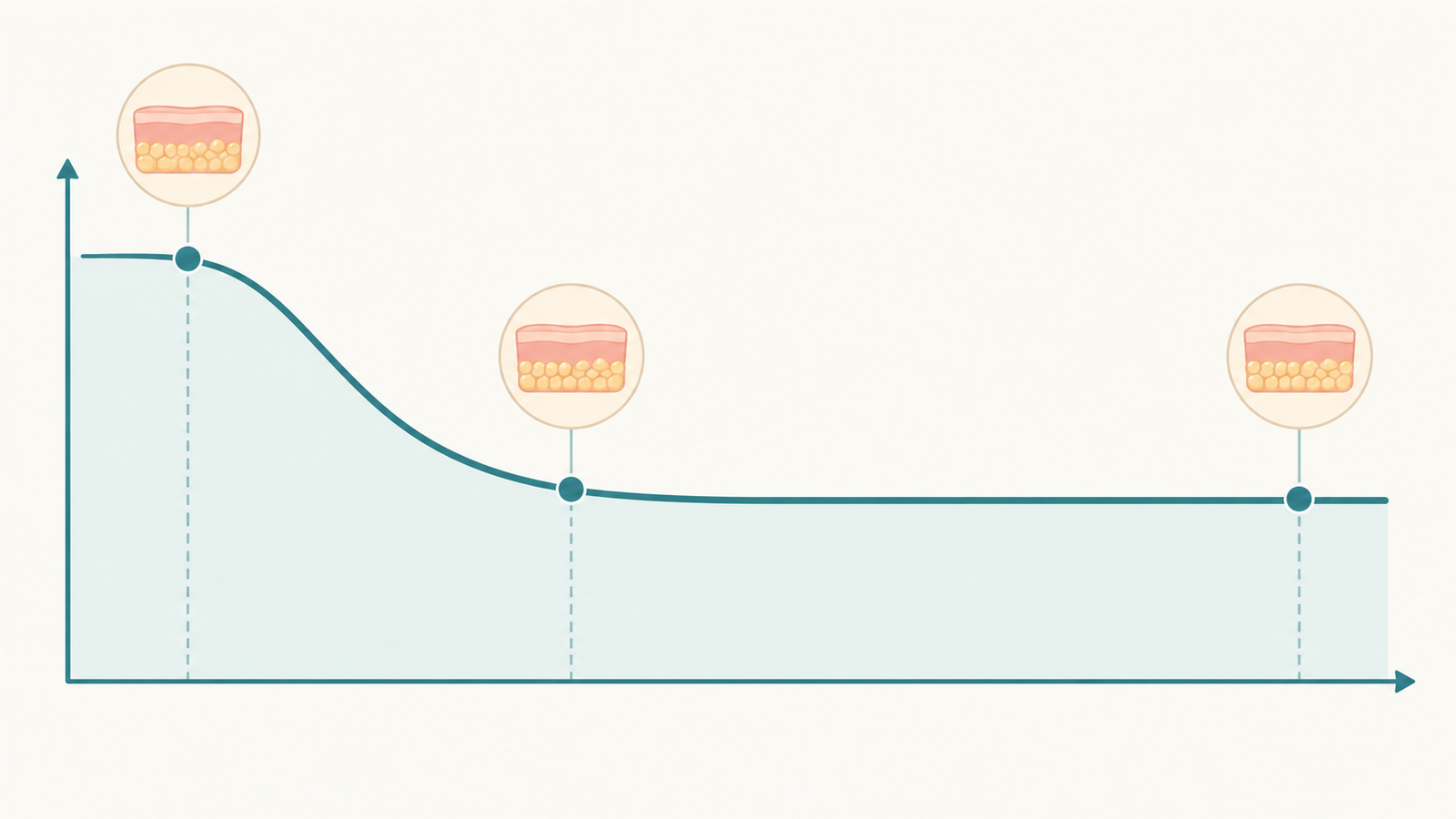
The result of fat grafting is best understood in three stages. In the first one to three months, the face looks fuller than it finally will, because there is swelling and because some fat cells are lost when they cannot get enough oxygen. From about three to six months, the surviving fat grows its own tiny blood vessels and the volume steadies. After that, the graft continues to mature slowly, and studies that followed patients for years found it reached a stable state at about two years.
When researchers measured facial volume with 3D photographs, CT and MRI scans, the average amount of fat that remained was roughly half of what was injected. Some people kept more and some kept less. The fat that makes it through this settling period is considered permanent, because it becomes part of the face. This is why a small amount of overcorrection or a second session is sometimes planned.
Clinical Overview: Why Some Fat Survives and Some Does Not
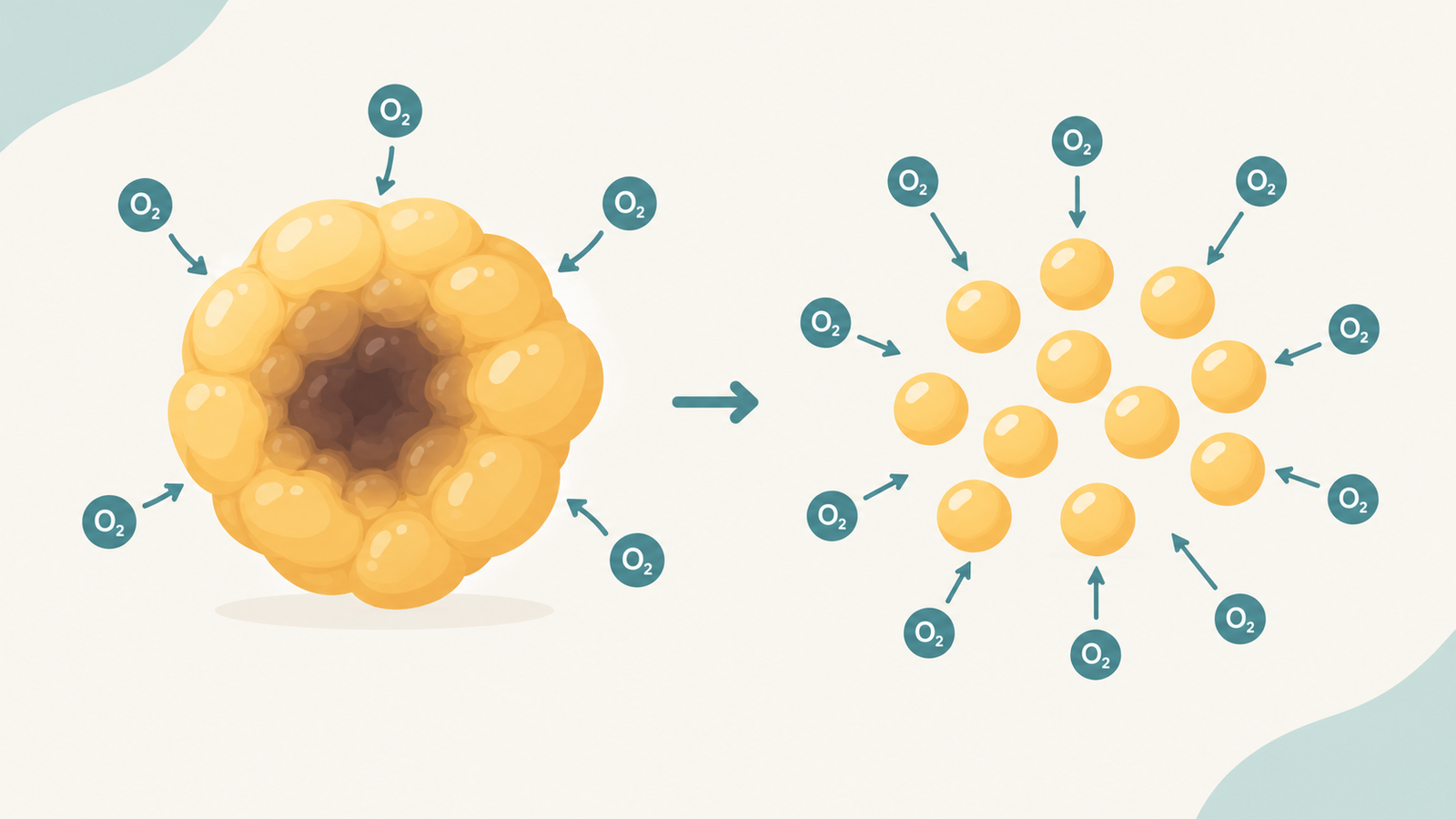
When fat is moved, it is cut off from its blood supply and must survive on oxygen seeping in from the surrounding tissue until new blood vessels grow in. Fat cells need a lot of oxygen and cope poorly without it. Only the cells near the edge of each tiny fat droplet get enough oxygen straight away. Cells in the middle layer may die, but the hardy repair cells in the fat can survive, multiply and become new fat cells over the next few months. The very centre of a large clump of fat usually dies and is cleared away by the body.
This is the main reason technique matters. If fat is placed in small amounts, a greater share of it sits close to the oxygen supply and survives. If it is placed in large clumps, much of it dies in the centre and is absorbed, and it can leave small hard lumps or oily cysts. The surviving fat also releases natural growth signals, which can improve blood supply and skin quality in the area around it.
Diagnosis: What Affects Your Results
Before planning fat grafting, a clinician assesses several things that influence how much fat is likely to stay:
- Age: People under about 55 tend to keep more of the fat than older patients, because younger tissue has more repair cells and a better blood supply.
- Treatment area: Well-supplied, low-movement areas hold fat better than areas that move all day.
- Other procedures: Having a surgical facelift at the same time can reduce fat survival, because the surgery disturbs the blood supply of the area.
- Skin and scar quality: In tight or scarred skin, fat can help soften and improve the tissue, but the plan needs to be adjusted.
- Weight stability: Fat keeps the nature of the body area it came from, so weight changes later can make the result shrink or grow.
An experienced clinician, the kind patients look for when searching for the Best Dermatologist in Ahmedabad, will review these points in a consultation and explain what to realistically expect before suggesting any procedure.
Treatment: Techniques That Improve Fat Survival
A well-planned Fat Grafting procedure is built around protecting the fat cells at every step. Fat is collected gently, because strong suction and rough handling damage cells. After collection, it is cleaned to remove blood, oil and fluid that can trigger inflammation. Methods that wash the fat in a closed filter system tend to preserve more living fat than spinning it at high speed, and in studies the closed filter methods gave better long-term volume.
The size of the fat pieces matters too. Larger pieces are kept for deeper areas, while fine “microfat” is used for most facial work, because tiny pieces survive much better. A further-processed liquid form, often called nanofat, no longer adds volume, but it is rich in repair cells and is injected into the skin itself to improve fine lines, dark circles and skin texture. Fat is then placed in thin threads across different layers instead of in lumps. Some centres add a patient’s own concentrated platelets or repair cells to the fat to encourage blood vessels to grow in, and early research suggests this may raise survival, although it is still being refined.
After the procedure, avoiding pressure on the treated area for the first few weeks protects the delicate new blood vessels that are forming. Sleeping on your back, avoiding tight clothing near the area and following your clinician’s aftercare advice all help.
Facial Zone Guide: Where Fat Grafting Lasts Best
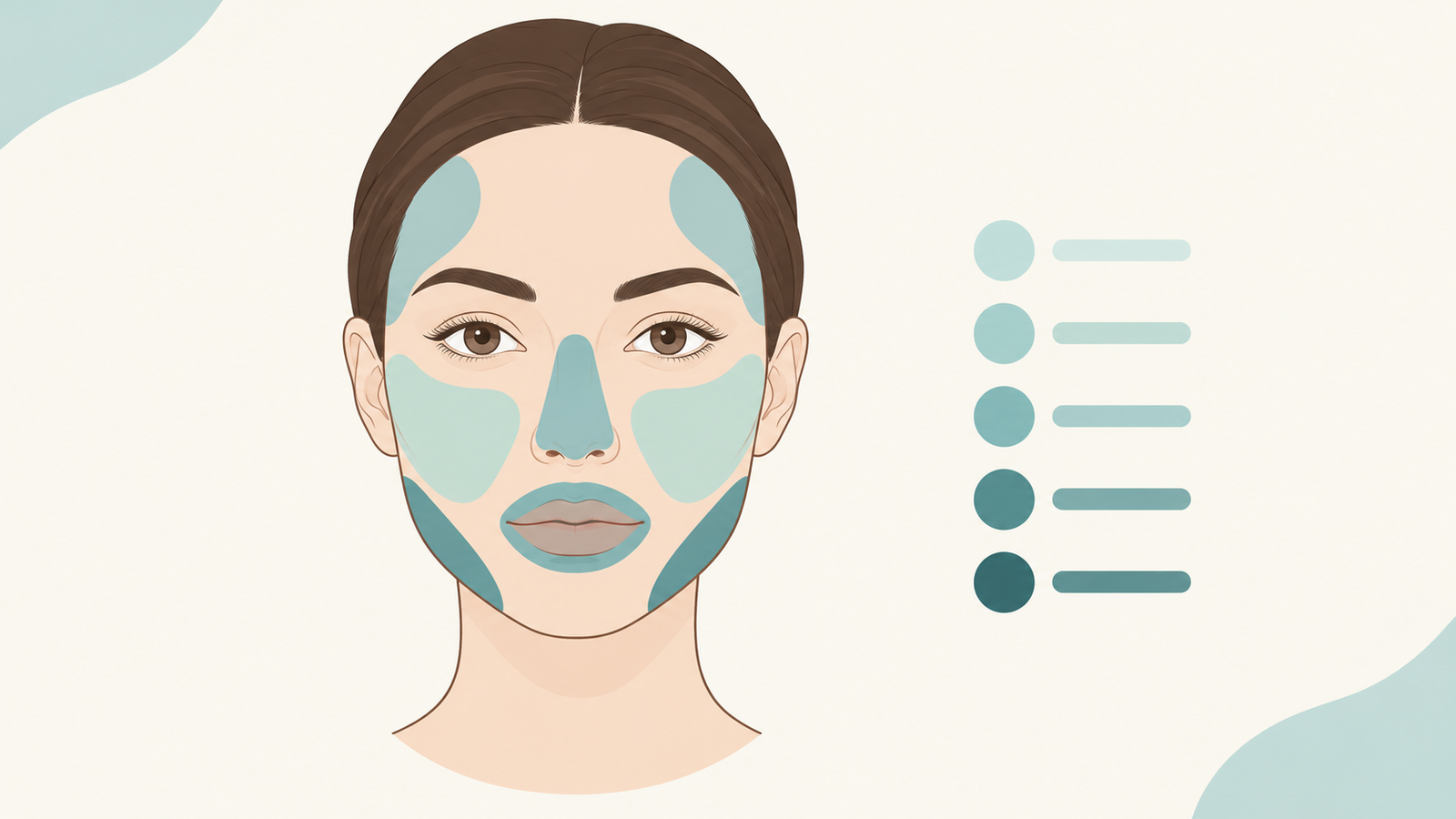
| Facial Area | Blood Supply and Movement | Typical Fat Retention | Notes |
|---|---|---|---|
| Cheeks and midface | Good supply, low to moderate movement | About 48% to 70% | One of the best areas, deep placement gives steady results |
| Temples | Moderate to good supply, little movement | About 33% to 65% | Does well when placed deep |
| Chin and jawline | Moderate supply, little movement | About 50% to 65% | Placing fat on the bony base gives stability |
| Lips | Good supply, constant movement | About 50% | Movement disturbs new blood vessels |
| Under-eye area | Thin skin, movement from blinking | Varies | Needs very fine fat; risk of lumpiness if overfilled |
| Nose | Tight skin, firm base | About 39% | Lowest retention among facial areas |
These are averages reported across studies, not promises. Your own result depends on your age, tissue quality and the technique used.
Caring for the Result Over Time
Once the fat has settled, it behaves like your own natural fat. Keeping a stable weight is the simplest way to protect the result, because losing a lot of weight can make the grafted areas look thinner, while gaining weight can make them fuller. Sun protection and good skin care remain important, since fat restores volume but does not stop the skin from ageing. Because ageing continues, most people look better than they would have without treatment even years later, but the face still changes naturally over time. If some volume fades more than expected in the first year, a small top-up can usually be planned after the graft has fully settled.
What the Research Shows?
Published research on fat grafting supports several points:
- About half is retained on average: Reviews that measured volume with 3D imaging and scans report pooled retention of roughly 47% to 50% for facial fat transfer, with a wide range between patients.
- The graft settles slowly: Long-term follow-up shows volume changes continue for about two years before reaching a steady state.
- Technique changes results: Closed filter washing and surfactant-assisted washing have been linked to better retention than high-speed spinning, and smaller fat pieces survive better than larger clumps.
- Patient factors matter: Younger patients and those having fat transfer alone, without a facelift, retained more fat in comparative studies.
These findings reflect published research; individual results depend on the person and the clinician’s technique.
Doctor Review Block
This article has been medically reviewed by Dr. Tejansu Dalal, MD (Dermatology), for clinical accuracy. Fat grafting works best when patients understand from the start that not all of the fat will stay, and that careful technique and patient selection make a real difference. Honest expectations, followed by good aftercare, are what lead to results patients are happy with.
References & Citations
This article draws on research on fat graft survival, including a systematic review published by the National Center for Biotechnology Information on autologous fat grafting survival, and reference material from the National Institutes of Health on volume retention after facial fat grafting and related factors. Retention figures reflect published clinical research.