When your skin looks flat, grey or tired even after a full night of sleep, a Korean facial can look like the easy answer. It promises a smooth, glowing finish that people call glass skin. For dull and dehydrated skin it can genuinely help, but it has limits, the glow is temporary and it is not the right tool for every skin problem. This guide explains what a Korean facial does, what research says, how often it is done and who gets the most from it.
Yes, a Korean facial is worth it for dull, dehydrated or tired skin, as a gentle way to get a smoother, brighter and more hydrated look with little or no downtime. It works on the skin surface by clearing dead cells and oil, adding moisture and calming the skin. The glow usually lasts a few days to a couple of weeks, so regular sessions are needed to keep it. It does not treat deep acne scars, sagging skin or deeper pigmentation such as melasma, and it should be skipped or delayed with active infection or irritated skin. A doctor can match the steps to your skin type.
Key Takeaways
- A Korean facial is a gentle, multi-step treatment for hydration, glow and barrier care.
- It works well for dull, dehydrated and tired skin, and for sensitive skin that cannot take strong peels.
- The glow usually lasts a few days to a couple of weeks, so repeat sessions are needed.
- It does not treat deep scars, sagging or deeper pigmentation.
- Research is small and mostly short-term, and the steps vary between clinics.
- Too much exfoliation can irritate the skin, so follow your doctor’s plan and use sunscreen daily.
- A skin check first helps you choose between a facial and a stronger treatment.
Introduction
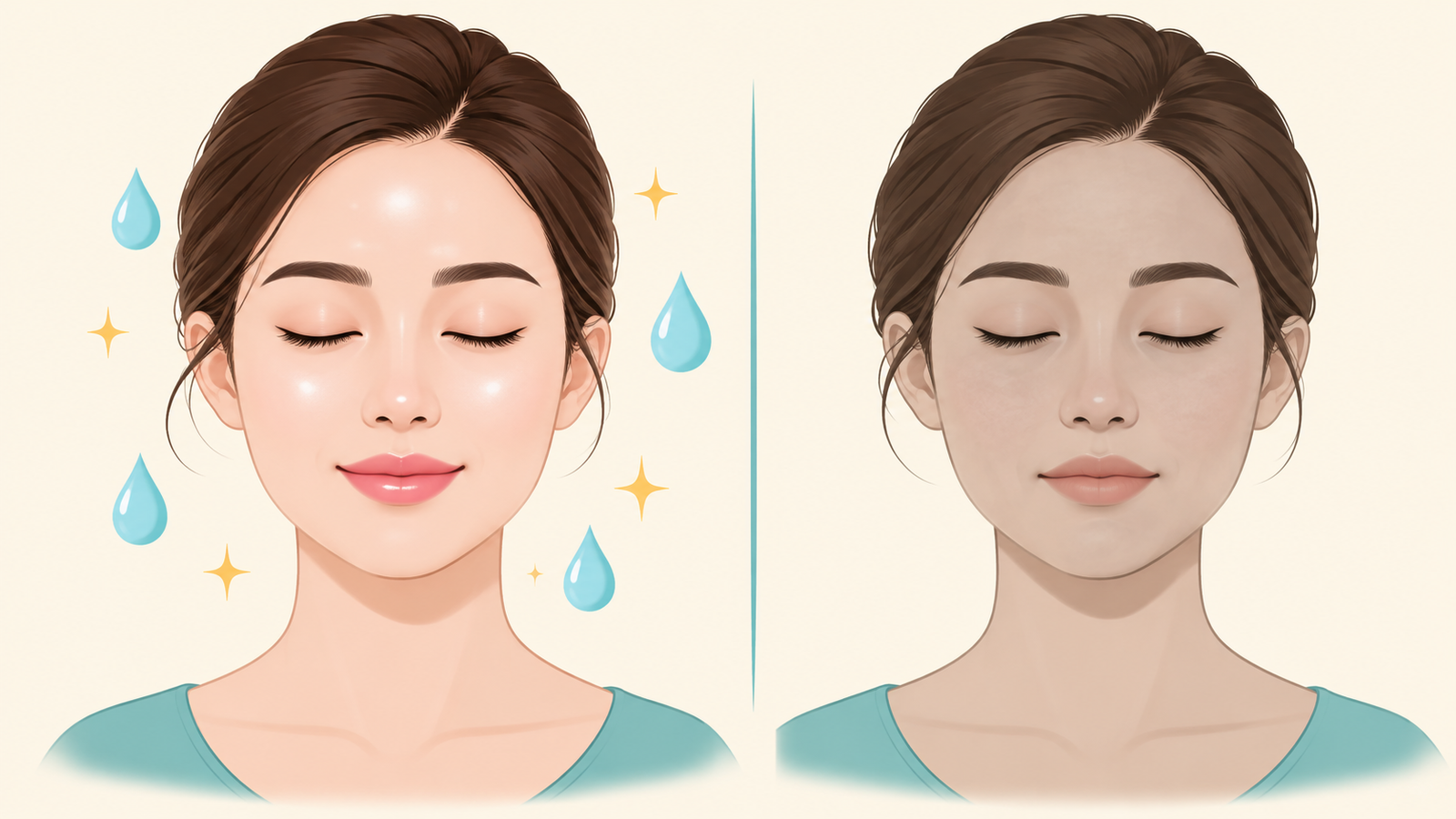
Dull skin is one of the most common reasons people book a facial. It often comes from a build-up of dead skin cells, dehydration, sun and pollution, lack of sleep and stress. Skin that is dry inside and rough on the surface scatters light instead of reflecting it, which is why it looks flat.
A Korean facial focuses on gentle cleansing, light exfoliation and layers of hydration, instead of strong peeling. The idea is to improve the skin’s glow while protecting its barrier. The question most people ask is simple: is it worth the time and effort? The honest answer depends on what you expect it to do.
What a Korean Facial Is
A Korean facial is a multi-step skin treatment that aims for smooth, hydrated, radiant skin, often called glass skin. It uses gentle exfoliation, careful cleansing, hydrating serums and masks and soothing steps, instead of harsh scrubbing or strong peels. A doctor-guided version begins with a skin assessment, so the steps are matched to your skin type and concerns.
It is a maintenance and glow treatment. It is not a treatment for scars, deep pigmentation or sagging.
Why Skin Looks Dull and Tired
Several things work together:
- Dead skin build-up: Skin renews itself about every four weeks, but pollution, ageing and stress slow this down. A layer of dead cells makes the surface rough and uneven.
- Dehydration: When skin loses water faster than it holds it, it looks tight, flat and shows fine lines more.
- Sun and pollution: These create harmful molecules that damage skin and make it look sallow.
- Poor circulation and lack of sleep: Tired skin gets less blood flow, which can give it a pale or grey look.
- Over-cleansing or harsh products: These can damage the skin barrier and make dullness worse.
A Korean facial targets the first two directly and the others partly. It cannot fix everyday habits such as lack of sun protection.
What Happens in a Korean Facial
A typical session may include:
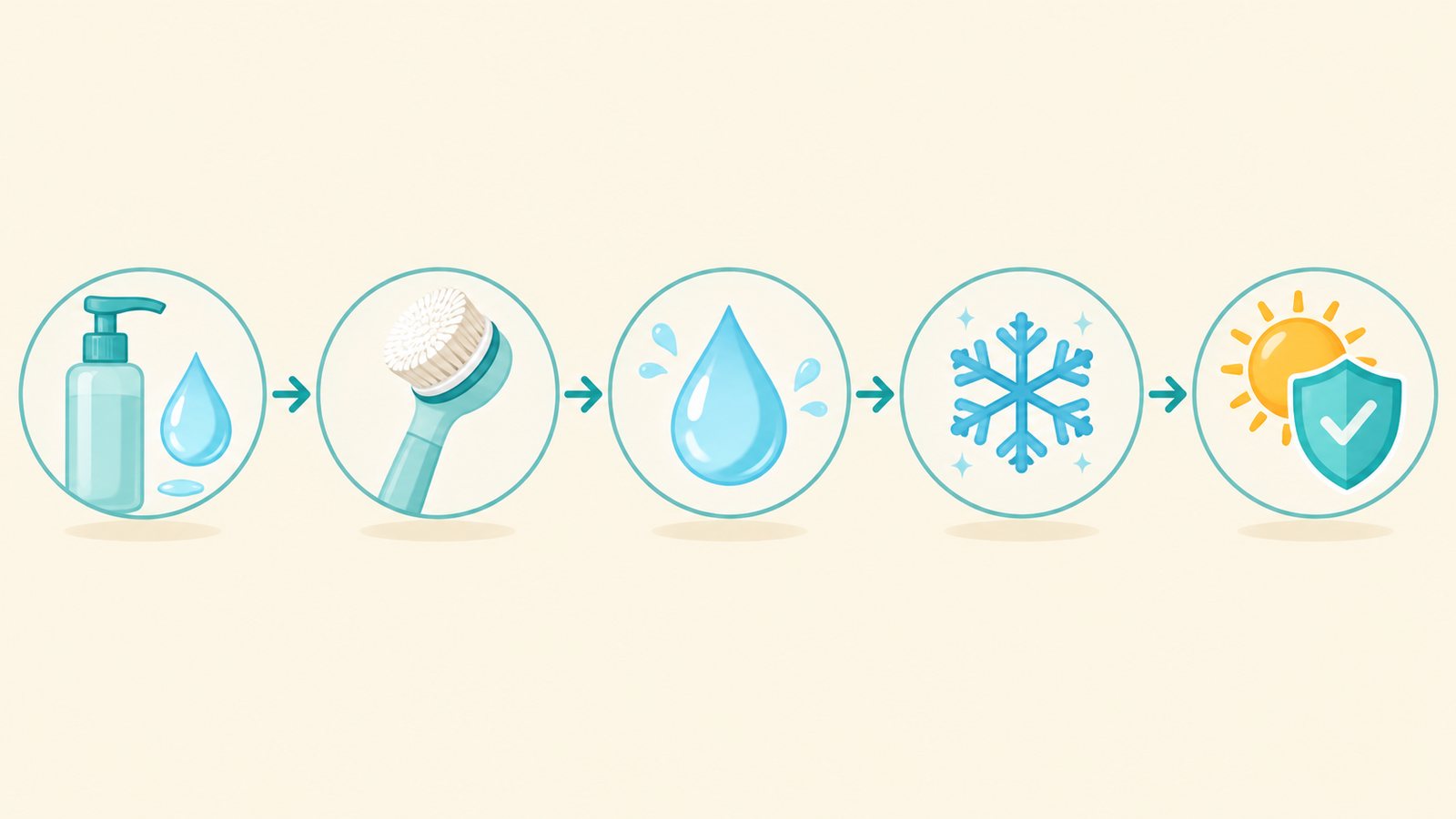
- Skin assessment: Your doctor looks at your skin type, sensitivity and goals.
- Gentle cleansing: Makeup, oil and dirt are removed.
- Gentle exfoliation: Dead cells are loosened with a light, non-scrubbing method.
- Pore cleansing: Congested pores are cleared gently.
- Hydration: Hydrating serums and masks are applied to build up moisture.
- Calming step: A cooling or soothing mask settles the skin and locks in moisture.
- Sun protection and aftercare advice: You leave with simple home care steps.
Sessions are often longer and slower than a regular facial. The steps and products used can differ between clinics.
How It Differs From a Corrective Facial
| Feature | Korean Style Facial | Corrective Facial or Peel |
|---|---|---|
| Main aim | Hydration, glow, barrier care | Fix visible problems such as scars or marks |
| Exfoliation | Gentle | Stronger |
| Downtime | None to very little | Peeling or redness for some days |
| Good for | Dull, dehydrated, sensitive or tired skin | Acne marks, sun damage, rough texture |
| How it is used | Regular maintenance | A planned series for a specific problem |
These are general patterns. A doctor may combine both approaches depending on your skin.
What the Research Shows
- Small studies support the surface benefits: Studies of gentle water-based exfoliation and infusion treatments, which are similar to the steps in a Korean facial, report better skin hydration, less surface oil and a brighter look soon after treatment.
- Evidence is limited: There are few large, long-term studies on the full Korean facial as a package, because the steps differ between clinics. Many claims come from clinics, not from independent trials.
- Benefits are short-lived: The improvement in glow and hydration usually lasts a few days to a couple of weeks, which is why repeat sessions are needed.
- It works only on the surface: These treatments act on the upper layers of the skin. A review of new and emerging skin resurfacing procedures explains that deeper problems such as scars, sagging and deeper pigmentation need stronger, targeted treatments.
- Light exfoliation is gentler than peels: Reviews of chemical peels for skin resurfacing describe how stronger peels can cause redness and peeling, which is why gentler options are chosen when the aim is glow and hydration.
- Too much exfoliation can backfire: Over-doing exfoliation can damage the skin barrier and cause dryness, stinging and breakouts.
So a Korean facial is a reasonable, low-risk way to improve glow and hydration, but the results are modest and need upkeep.
Who Gets the Most From It and Who Should Wait
Usually benefits most:
- Dull, dehydrated or tired-looking skin
- Sensitive skin that cannot take strong peels
- Skin that needs a quick refresh before an event
- People who want regular, gentle skin maintenance
Less likely to help on its own:
- Deep acne scars or uneven skin texture
- Sagging or loose skin
- Melasma or deeper pigmentation
- Active, severe acne
Should wait or be assessed first:
- Active skin infection, cold sores or open wounds
- Very irritated, sunburnt or freshly treated skin
- Recent strong peel or laser, unless your doctor advises
- Known allergy to ingredients. Tell your doctor about creams you use, especially strong acids or retinoids.
A consultation with the top skin doctor in ahmedabad includes a look at your skin type, your routine and your goals, and an honest answer on whether a facial is enough or a different treatment would help more.
How Often to Have It
A single session gives a quick glow. For ongoing benefit, many plans use a session every few weeks, with the gap adjusted to your skin. Doing it too often can irritate the skin barrier, so more is not better.
Between sessions, home care keeps the results going:
- A gentle cleanser and a plain moisturiser
- A daily sunscreen, as freshly exfoliated skin is more sensitive to sun
- Avoiding harsh scrubs and strong exfoliating products for a day or so after the facial, as advised
A planned Korean facial begins with an assessment, matches the steps to your skin and ends with a clear home care plan. An aesthetic clinic ahmedabad can also tell you when a stronger treatment, such as a peel or laser, will give you more than repeated facials.
Doctor Review Block
This article has been medically reviewed by Dr. Tejansu Dalal, MD (Dermatology), for clinical accuracy. In my experience, people are happiest with a Korean facial when they see it as regular care for glow and hydration, not as a fix for scars or deep pigment. A doctor-guided plan, with sunscreen and a simple home routine, makes the glow last longer.
References & Citations
This article draws on published research on skin resurfacing and exfoliation, including a review of new and emerging skin resurfacing procedures available through the National Institutes of Health, and an overview of chemical peels for skin resurfacing published through the National Library of Medicine. Descriptions reflect small published studies and general clinical practice.