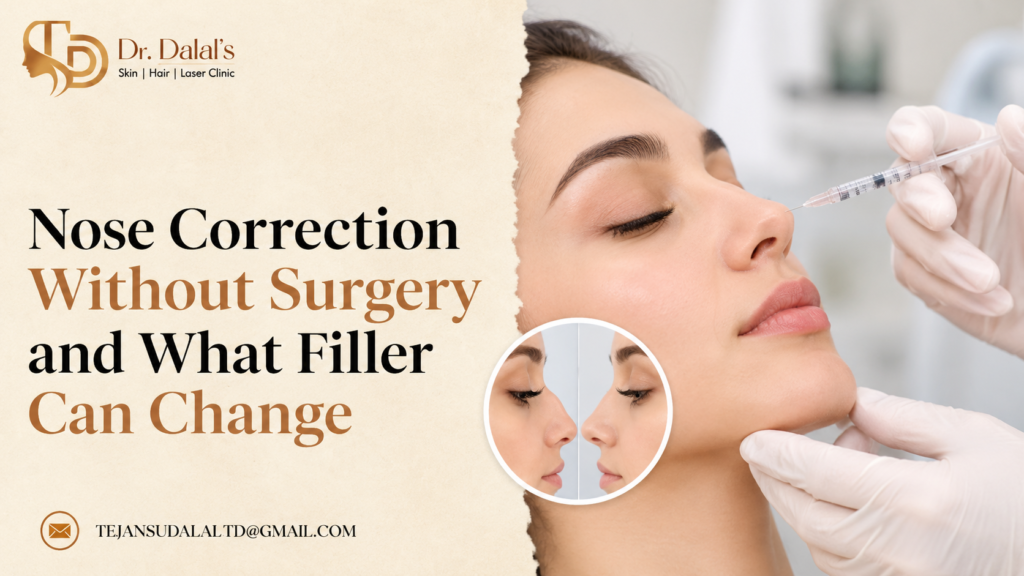
A small bump on the bridge, a low nose root, a slightly drooping tip or a little asymmetry can bother you more than anyone else notices. Non surgical nose correction uses filler to smooth and balance these small changes in a short visit, without cuts or general anaesthesia. It can look natural and the effect can be seen straight away. But it only adds volume, it does not make a nose smaller, and the nose is one of the riskier areas to inject. This guide explains what filler can and cannot change, how long it lasts and how to keep the treatment safe.
Nose correction with filler can smooth a small bump, raise a low nose root, fill dents and slightly lift a drooping tip, but it cannot make the nose smaller, narrow a wide nose or fix breathing problems. It works by adding small amounts of filler to hide or balance an uneven area. Results appear straight away and usually last several months to about a year or more, so repeat treatment is needed. Fillers that can be dissolved are the safest choice. The nose has delicate blood vessels, so rare but serious problems such as skin damage or vision loss can occur, which is why the doctor’s training and readiness for emergencies matter.
Key Takeaways
- Nose correction with filler adds volume to hide or balance small irregularities.
- It cannot make a nose smaller, narrow a wide nose or fix breathing problems.
- Results are immediate and last several months to about a year, so repeat treatment is needed.
- Fillers that can be dissolved are the safest choice for the nose.
- The nose has delicate blood vessels, so rare but serious risks exist, including vision loss.
- Choose an experienced doctor and know what the clinic does in an emergency.
- Get an honest opinion on whether filler or surgery fits your goal.
Introduction
Many people want a better nose shape but are not ready for surgery. Others have had surgery and want a small touch-up. Filler gives a quick, reversible option for minor changes.
The key is to understand what it is. Nose correction with filler is a way of reshaping by adding, not by removing. It changes how the nose looks by filling hollows and balancing lines. A good result depends on choosing the right person for it, using the right material and treating it with respect, because the blood supply of the nose is complex.
What Nose Correction With Filler Is
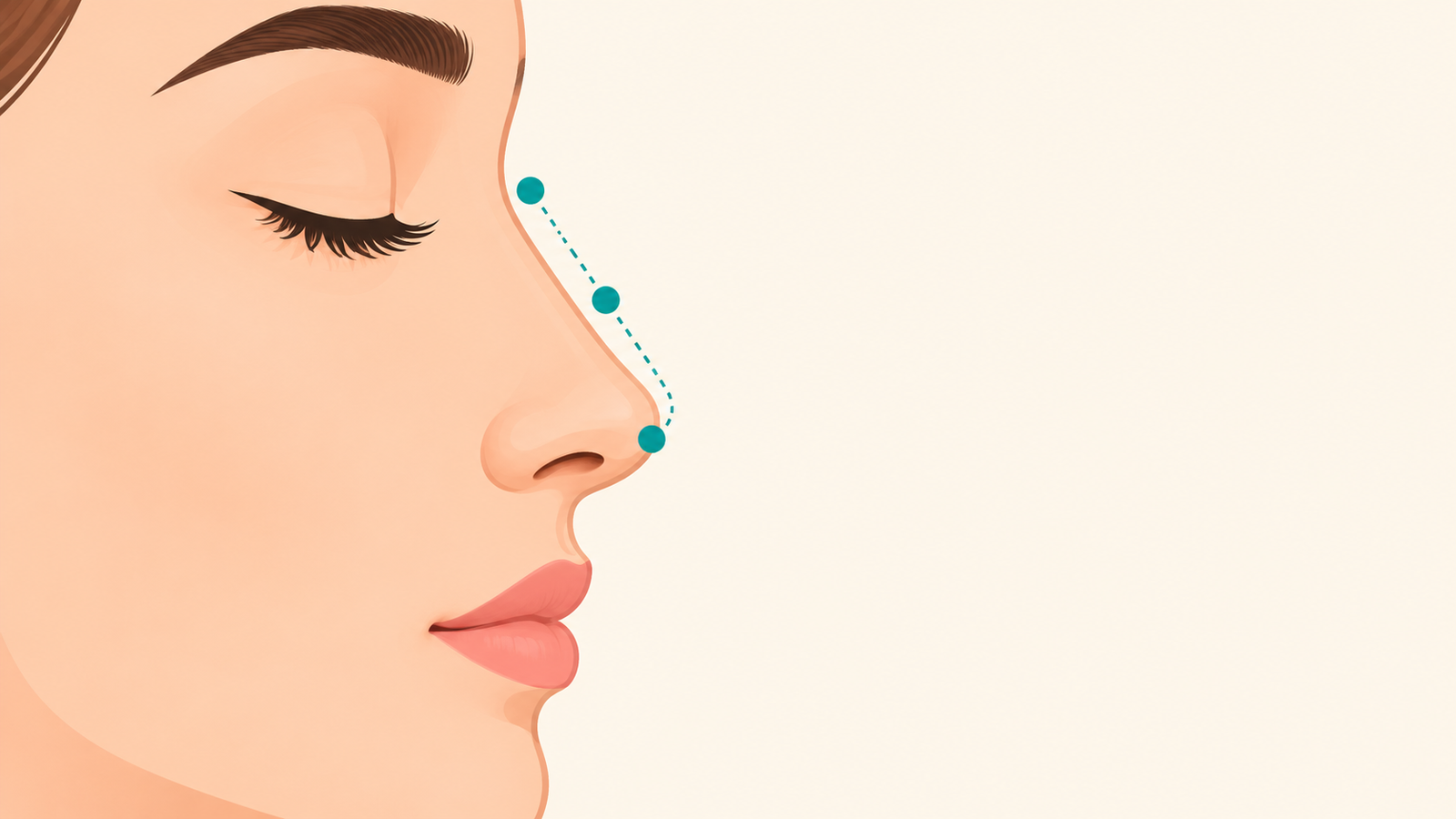
Non surgical nose correction, also called liquid rhinoplasty, is a treatment in which small amounts of filler are injected into specific points of the nose to change its shape. The filler fills low areas, balances the profile and makes the nose look straighter or more refined. Topical numbing is usually enough, and there are no cuts.
It works by creating an optical change. For example, filling a low nose root and the area below a bump can make the bump look less obvious, even though it is still there.
What Filler Can and Cannot Change
| Area of the Nose | What Filler Can Do | Limit |
|---|---|---|
| Nose root (top of the bridge) | Raise a low root and make the nose look longer and straighter | Too much can look unnatural |
| Small bump on the bridge | Hide it by filling above and below the bump | Does not remove or reduce the bump |
| Dents or a low bridge | Fill and smooth the profile | Cannot rebuild lost structure |
| Tip | Slightly lift or support a mildly drooping tip | Small amounts only, as this is a risky area |
| Slight asymmetry | Balance minor differences | Cannot fix a crooked nose |
| Wide nose or wide nostrils | Not suitable | Filler adds volume and can make it look wider |
| Large or bulky nose | Not suitable | Cannot make a nose smaller |
| Breathing problems | Not suitable | Needs medical or surgical assessment |
A doctor will tell you honestly whether your goal can be met with filler. If it cannot, saying so early saves you time and risk.
Who Is a Good Candidate
Usually suitable:
- Mild to moderate concerns, such as a low nose root, a small bump or minor dents
- People who want a quick, reversible option and accept that results are temporary
- People with healthy, flexible skin on the nose
- People with a clear, realistic goal for the change
Usually not suitable, or needs careful review:
- A wish to make the nose smaller or narrower
- A wide or bulky nose, or wide nostrils
- Breathing problems or a deviated nasal septum
- Previous nose surgery with scarring or tight skin, which can make injection riskier
- Active skin disease or infection on the nose
- Pregnancy or breastfeeding, where non essential treatments are usually deferred
- Strong distress about a very small or imagined flaw. In such cases, a talk with a mental health professional may help more than any treatment.
A consultation with the best dermatologist doctor in ahmedabad includes a look at your nose from the front, side and below, a talk about your goals and an honest view of whether filler will give the change you want.
What the Research Shows
- Used widely, with good short-term satisfaction: Reports describe filler nose correction as a popular, minimally invasive option that gives immediate results with little downtime when used for the right changes.
- Best for small, additive changes: It works well for raising the nose root, camouflaging a mild bump, filling dents and refining small irregularities after earlier surgery.
- Material matters: A review of non-surgical rhinoplasty and the use of hyaluronic acid based dermal fillers explains that hyaluronic acid based fillers are the most common choice, because they last for months and can be dissolved if needed. Permanent fillers are widely advised against in the nose because of late problems that can appear years later and are hard to correct.
- The nose is a higher risk area: An overview of nonsurgical rhinoplasty using fillers describes the risk of filler blocking a blood vessel, which can cause skin damage and, rarely, vision problems, because the blood supply of the nose connects with vessels around the eye.
- Technique lowers risk: Reports stress placing filler deep, using small amounts at a time, injecting gently and being ready to treat a blocked vessel straight away.
- Limits are real: Filler cannot make a nose smaller or fix breathing problems, and adding too much to a wide or bulky nose can make it look wider and less natural.
How the Treatment Is Done
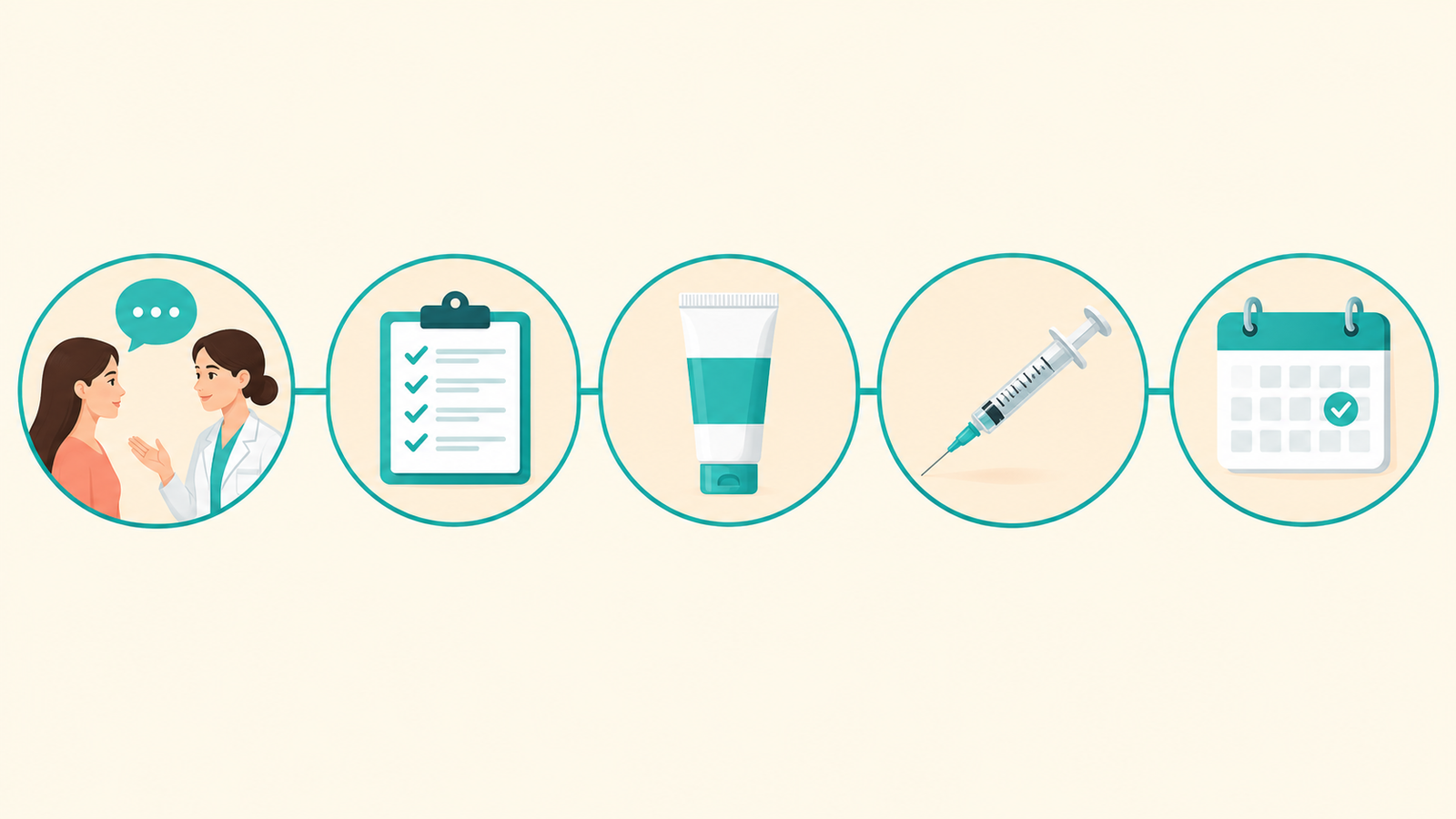
A planned nose correction usually follows these steps:
- Consultation: Your doctor assesses your nose, skin and goals, and explains risks, results and alternatives.
- Planning and consent: You agree on the points to be treated and what to expect.
- Preparation: The skin is cleaned and numbed with a topical numbing cream.
- Treatment: Small amounts of filler are placed at chosen points, usually deep and close to the bone or cartilage, with checks as the doctor works.
- Aftercare: You get clear instructions for the first day or two, including what to avoid and what to watch for.
- Follow-up: A review after swelling settles to check the shape and decide if a small touch-up is needed.
Most people have mild swelling, tenderness or small marks for a few days. Avoid pressing on the nose, wearing heavy glasses on the bridge, strenuous exercise and heat for the first day or two, as your doctor advises.
How Long Results Last
Results are seen straight away, but they are temporary. Hyaluronic acid based fillers usually last several months to about a year, and sometimes a little longer in the nose. After that, the filler slowly breaks down and the nose returns to its earlier shape.
A benefit of these fillers is that they can be dissolved if you are not happy with the shape, or if a problem occurs. Longer lasting fillers that cannot be dissolved are generally avoided in the nose.
Repeat treatments will be needed if you want to keep the result, and over time the amount needed may change. Your doctor will plan touch-ups and review the nose before each one.
Safety and Risks
Common and mild:
- Swelling, tenderness, redness and small bruises that settle in a few days
- Small lumps or unevenness that can be smoothed or adjusted at follow-up
Rare but serious:
- A blocked blood vessel: If filler enters or presses on a vessel, the skin can turn pale, white or bluish, and may break down. This needs immediate treatment.
- Vision problems: In very rare cases, filler can travel through connected vessels to the eye and cause sudden vision loss. This is an emergency.
- Infection or lasting lumps.
Ways to keep it safer:
- Choose a qualified, experienced doctor who treats the nose often
- Ask which filler will be used and whether it can be dissolved
- Ask what the clinic does if a vessel is blocked, and make sure the right treatment is available on the spot
- Avoid treating the nose if you cannot get immediate help after the treatment
- Do not accept a plan to make the nose smaller with filler
A best cosmetic dermatologist in Ahmedabad will explain the risks openly before you agree.
Doctor Review Block
This article has been medically reviewed by Dr. Tejansu Dalal, MD (Dermatology), for clinical accuracy. In my experience, the best results come from small, careful changes, and from telling people honestly when filler cannot give what they want. Because the nose is a high-risk area, safety planning matters as much as the shape you want.
References & Citations
This article draws on published research on filler nose correction, including a review of non-surgical rhinoplasty and the use of hyaluronic acid based dermal fillers available through the National Institutes of Health, and an overview of nonsurgical rhinoplasty using fillers published through the National Library of Medicine. Descriptions reflect published reviews and general clinical practice.