
Glutathione drips are marketed as a quick way to get brighter, lighter skin, and social media makes them look harmless. The reality is more complicated. The science behind the idea is real, but human studies have not shown the dramatic or lasting results that are promised, and the safety questions are serious enough that many skin specialists advise against the drip altogether.
Current evidence does not show that IV glutathione lightens skin in a meaningful or lasting way, and it carries real safety risks. In the one placebo-controlled trial of the drip, the difference between glutathione and plain saline was not statistically significant, and almost everyone who saw any change lost it within six months of stopping. Reported risks include liver and kidney strain, serious allergic reactions, contaminated products and, rarely, life-threatening skin reactions. Dermatology societies and regulators in several countries advise against using it for skin lightening. Safer, better-proven options exist for uneven tone and dark patches.
Introduction
Glutathione is a small natural antioxidant that every cell in your body already makes. Because it can interfere with pigment production in a laboratory dish, it has become popular as a skin-brightening drip. But what works in a dish does not always work in a person. This article explains what glutathione actually does in the body, what studies show about the drip, what risks have been reported, and what dermatologists recommend instead for dark patches and uneven skin tone.
Key Takeaways
- Glutathione can reduce pigment production in laboratory tests, but this has not translated into clear, lasting skin lightening in people.
- In the main placebo-controlled trial of the drip, glutathione did not perform significantly better than plain saline, and the small change seen in a few people faded after treatment stopped.
- Reported risks include abnormal liver tests, kidney problems, thyroid changes, severe allergic reactions, contaminated products and rare, serious skin reactions.
- Skin lightening may also reduce natural protection from the sun, which is a concern especially for people with deeper skin tones.
- Evidence-based options such as sun protection, proven topical treatments and carefully chosen peels are safer ways to improve tone.
What Glutathione Is and How It Affects Pigment?
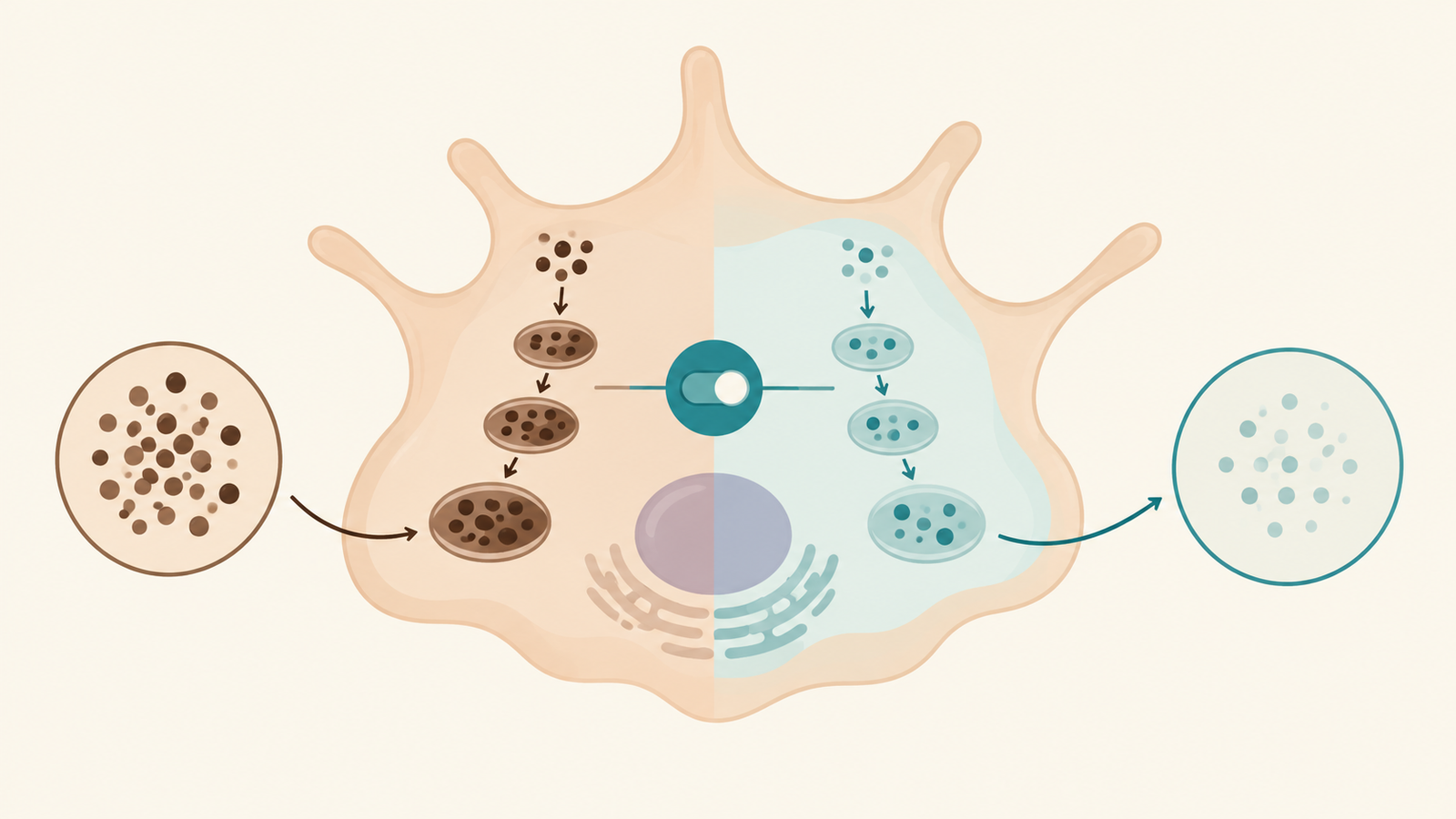
Glutathione is made of three amino acids and works as one of the body’s main antioxidants. It protects cells from damage and helps the liver clear waste. Skin colour comes from melanin, which is made by pigment cells using an enzyme called tyrosinase. In laboratory studies, glutathione can slow this enzyme and also steer pigment production away from dark melanin and toward a lighter, yellow-red type. This is the scientific basis for the skin-lightening claim.
However, several things limit this effect in real life. Glutathione does not remove melanin that is already in the skin. Visible lightening can only happen as old pigmented skin cells are shed naturally. And when glutathione levels in the body return to normal, pigment production returns to its usual pattern. Because glutathione is broken down very quickly in the bloodstream, the high level from a drip lasts only a short time, so any effect would need continuous treatment to be maintained.
What the Research Shows?
Published research on glutathione for skin lightening supports several important points:
- The drip has weak evidence: The main placebo-controlled trial compared glutathione infusions twice a week for six weeks with plain saline infusions. The difference between the two groups was not statistically significant, and neither group showed a significant change from its starting skin tone.
- Any effect does not last: In the follow-up period of six months, almost all people who had seen a small change returned to their original skin tone, and only one person kept any change.
- Many studies have flaws: Reviews note short follow-up, small groups, lack of objective colour measurement and the common addition of high-dose vitamin C, which makes results hard to interpret.
- Experts advise against the drip: Systematic reviews and expert consensus from dermatology societies conclude that IV glutathione is not recommended for cosmetic skin lightening because the benefit is weak and the risks are significant.
These findings reflect published research; they cannot predict what will happen to any one person.
Clinical Overview: Safety Concerns With the Drip
Because the drip puts a high amount of glutathione straight into the bloodstream, the risks are different from those of tablets or creams. Reported concerns include:
- Serious skin reactions: Cases of severe drug reactions that cause widespread skin peeling, painful sores in the mouth and eyes, and serious illness have been linked to cosmetic glutathione injections. These are rare but can be life-threatening.
- Liver strain: In trials of twice-weekly infusions, some people developed raised liver enzymes, in some cases to more than six times the normal limit.
- Kidney and thyroid effects: Reports of kidney injury and changes in thyroid tests have also been described.
- Allergic and infusion reactions: Rapid infusion can trigger severe allergic reactions, breathing difficulty and collapse.
- Contaminated products: No glutathione injection is approved for skin lightening, and health authorities have warned about compounded or unverified products contaminated with bacterial toxins, which have caused serious illness and hospital admissions.
- Less natural sun protection: Dark melanin is the skin’s built-in sunscreen. Steering pigment production toward the lighter type may reduce this protection, and there is concern about a long-term increase in sun damage and skin cancer risk, especially in darker skin tones.
Regulators and expert bodies in several countries, including the United States and the Philippines, have issued safety warnings about injectable glutathione for skin lightening, and Indian dermatology societies advise against its cosmetic use. Rules differ between regions and change over time, so it is important to ask any clinic about the current legal status and the exact product being used.
Route Comparison Guide: Drip, Tablets, Sublingual and Creams
| Route | How Much Reaches the Body | Evidence for Skin Lightening | Main Concerns |
|---|---|---|---|
| Intravenous drip | Immediate, high peak that is broken down within minutes | Weak; not better than placebo in the main trial | Highest risk: organ strain, severe reactions, contamination |
| Standard tablets or capsules | Very little survives digestion | Mixed; small, modest changes at best | Limited absorption |
| Liposomal or sublingual forms | Moderate; absorbed better than standard tablets | Small studies, modest brightening | Fewer long-term studies |
| Creams and lotions | Stays mostly in the upper skin | Mild local effects in small studies | Penetration limited, mild irritation possible |
These routes are not equivalent, and none has strong proof of dramatic skin lightening. The decision should be made with a doctor, not from marketing claims.
Diagnosis: Understanding Why Skin Looks Uneven
Most people who ask about glutathione are really asking for one of three things: an even tone, relief from dark patches or a brighter complexion. The right solution depends on the cause. A dermatologist, the kind of top skin doctor in Ahmedabad that many people look for when they are unsure what is causing their pigment problem, will look at:
- Type of pigment problem: melasma, sun spots, dark marks after acne or injury, or generally uneven tone each need a different approach.
- Sun exposure habits: unprotected sun is the biggest cause of tone getting darker and patchier.
- Hormonal and medicine factors: pregnancy, contraceptive pills and some medicines can trigger patches.
- Skin tone: deeper skin tones are more likely to develop dark marks after irritation, so gentle, carefully chosen treatments matter.
- Previous products used: unregulated bleaching creams can thin the skin and worsen pigment over time.
Treatment: Safer Ways to Brighten Skin
Before deciding on IV glutathione, it helps to know that proven options for tone and dark patches exist and usually work better. Daily broad-spectrum sunscreen is the single most important step, because even a little unprotected sun can bring dark patches back after any treatment. Proven topical medicines that slow pigment production or speed up skin renewal are the foundation for most patches, and a dermatologist chooses them to suit your skin type. Carefully selected light chemical peels can gently speed up shedding of pigmented cells and improve brightness, with the strength adjusted to avoid irritation in deeper skin tones. Where a patch has a clear cause, such as melasma or a mark left by acne, treating that cause directly gives the best result.
Because results build gradually, a plan usually runs for several weeks to months and includes regular review. Unrealistic expectations about changing your natural skin colour are best discussed openly with your dermatologist. A healthy, even, well-protected skin is a very achievable goal, and it is a safer one than trying to change your natural tone.
Doctor Review Block
This article has been medically reviewed by Dr. Tejansu Dalal, MD (Dermatology), for clinical accuracy. Patients deserve to hear both sides of a popular treatment. Glutathione is a legitimate molecule, but the evidence for the drip as a skin lightener is weak, and the risks are not trivial. A careful assessment of the real cause of uneven tone, followed by proven treatment and sun protection, is a safer and more dependable path.