Every parent has stared at a new rash on their child and wondered the same thing: is this nothing, or do we need to go now? Most childhood rashes are harmless and settle on their own or with simple care. A small number are warning signs of a serious illness. This guide shows you how to tell the difference, which rashes can be watched at home, which need a skin doctor and which need an emergency department straight away.
Most child rashes are harmless, but a rash that comes with a high fever, a drowsy or very unwell child, spots that do not fade when pressed, blisters with peeling skin, sores in the mouth or eyes, or swelling with breathing trouble needs emergency care immediately. Rashes that itch, keep coming back, do not improve in 2 to 3 weeks of home care, cover large areas, look infected or appear on a baby’s face or near the eyes, nose or lips should be seen by a doctor. Common, usually mild rashes include baby acne, heat rash, cradle cap, nappy rash and mild eczema. How your child looks and behaves is often a better guide than how the rash looks.
Introduction
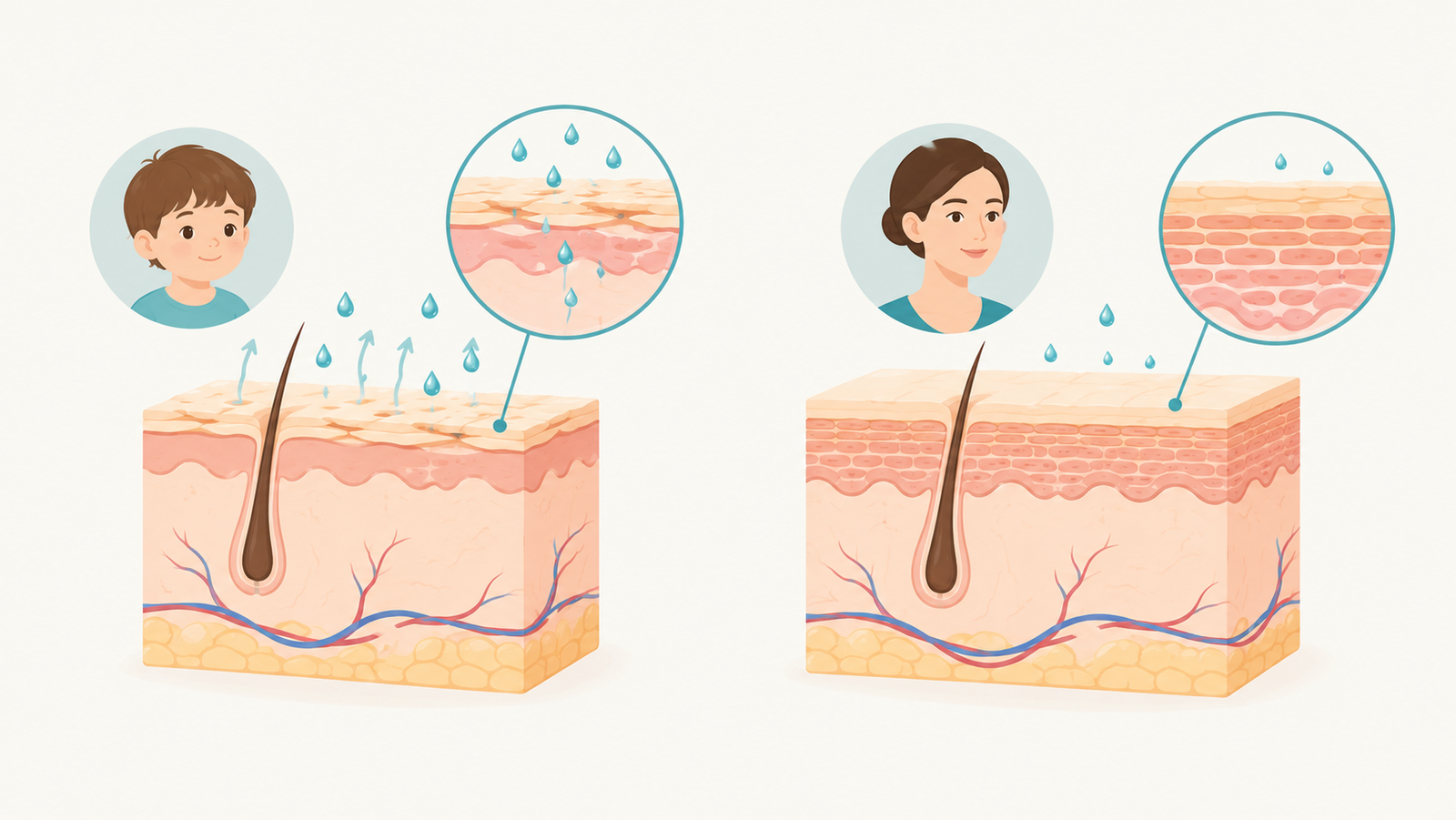
A child’s skin is thinner, loses water faster and reacts more strongly than adult skin. This is why babies and children get so many rashes, from heat rash and nappy rash to eczema and infections. Rashes are also one of the most common reasons parents call a doctor, often at night.
The difficulty is that a rash is only a picture on the skin. The same-looking red spots can be a harmless viral illness in one child and a medical emergency in another. What separates the two is usually not the rash alone but the whole child: fever, energy, feeding, breathing and how the rash behaves over hours. This article gives you a practical way to think it through.
What Pediatric Dermatology Is?
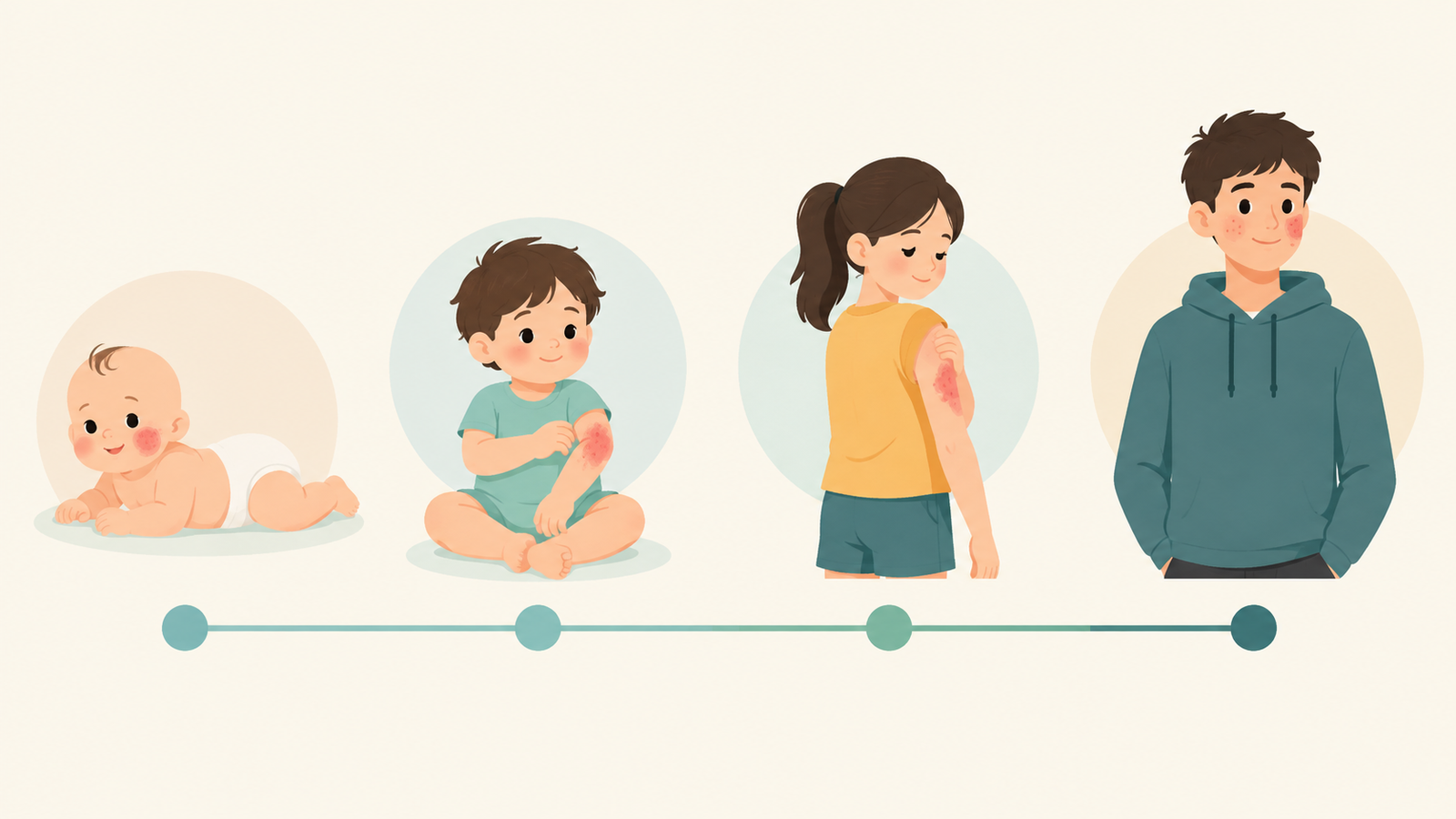
Pediatric dermatology is the branch of skin care that looks after the skin, hair and nails of babies, children and teenagers. Children are not small adults. Their skin barrier is still developing, their sweat and oil glands work differently at different ages and the conditions they get change as they grow. Newborns get baby acne and cradle cap, toddlers get eczema, nappy rash and viral rashes, school-age children get warts, molluscum and ringworm, and teenagers get acne and dandruff.
A pediatric skin doctor also helps with birthmarks, changing moles and rashes that keep returning, and explains to parents what is safe to use on a child’s skin and what is not.
Diagnosis: How Doctors Tell Rashes Apart
When a child with a rash is examined, the doctor first checks whether the child is well or unwell. Only then do they look closely at the rash. The questions are usually these:
- Is the child unwell? Fever, unusual sleepiness, poor feeding, cold hands and feet or fast breathing change the whole plan.
- Does the rash fade when pressed? Press a clear glass or the side of a finger gently on the spots. Rashes that fade and return to colour are usually less worrying. Pinpoint or bruise-like spots that stay visible under pressure need urgent assessment, especially with fever.
- What does the rash look like? Flat spots, raised bumps, blisters, scales, wheals, patches with a clear edge or lacy patterns each point to different causes.
- Where is it? Cheeks, scalp, the creases of the elbows and knees, the nappy area, hands and feet, or the whole body all suggest different conditions.
- Is it itchy or painful? Intense itch points toward eczema or allergy. Pain on touch can point to a more serious skin problem.
- What is the timeline? A rash that appears after a few days of fever, or after a new medicine, food or illness in the family, gives important clues.
- Are the mouth, eyes or private parts involved? Sores in more than one of these places need urgent attention.
A note on darker skin tones. On brown and black skin, redness often does not look pink or red. Inflamed skin can look purple, dark brown or grey, and the usual “red patch” may be hard to see. Doctors therefore rely on touch as well as sight, checking for warmth, swelling, roughness and firmness, and they look inside the mouth, eyes and lips, where colour changes show in all skin tones. Dark or light marks that remain after a rash heals are common and are not the same as active disease.
Clinical Overview: Common Rashes by Age
Newborns and young babies
- Baby acne: Small red bumps and pimples on the cheeks, forehead and nose, usually from about 2 to 4 weeks of age. The baby is comfortable, and it clears by itself, usually within 1 to 3 months, without scars.
- Heat rash: Tiny red or clear bumps in sweaty areas such as the neck, chest and skin folds, in warm or humid weather. It fades quickly when the baby is kept cool.
- Cradle cap: Greasy, yellowish scales on the scalp, brows and behind the ears, usually not itchy.
- Birthmarks: Most are harmless. But some raised red birthmarks grow quickly in the first weeks of life, and ones near the eye, nose, lips or in a skin fold, or that develop a sore, should be shown to a doctor early.
Babies and toddlers
- Eczema: Dry, rough, itchy patches, commonly on the cheeks and scalp in babies and in the creases of elbows and knees in toddlers. Baby rubs the face on sheets and sleeps badly. It often comes and goes.
- Nappy rash: Shiny red skin on the areas touched by the nappy, with the deep folds spared, is usually caused by wetness and friction. A rash that is deep red in the folds with small spots around the edge points to yeast and needs a different treatment.
- Viral rashes: Many fevers in children bring a harmless, spotty rash that settles in days. Some, such as “slapped cheek” illness or hand, foot and mouth disease, have a typical look.
- Hives: Raised, itchy, pink or pale wheals that move around and fade within hours. Hives with swelling of the face or lips, vomiting or breathing trouble are an emergency.
School-age children and teenagers
- Warts and molluscum: Small raised bumps caused by viruses. They usually go away on their own but can take months or longer, and can spread by touch.
- Ringworm: A ring-shaped, scaly, itchy patch with a clearer centre, caused by a fungus, not a worm. It needs proper antifungal treatment.
- Acne and dandruff: Common from puberty onwards. Acne that is painful, leaves marks or does not respond to simple care should be seen early to prevent scarring.
- Changing moles: A mole that grows, changes colour or shape, itches or bleeds should be checked.
Rash Guide: Home, Doctor or Emergency
| What You See | Usually Means | What to Do |
|---|---|---|
| Small bumps on the baby’s cheeks, child comfortable | Baby acne | Gentle washing with plain water. No creams. Usually clears by itself |
| Tiny red bumps in sweaty areas | Heat rash | Keep the child cool and dressed lightly. Should fade within days |
| Greasy yellow scales on the scalp | Cradle cap | Gentle care. See a doctor if it spreads, is red or is oozing |
| Red skin in the nappy area, folds spared | Irritant nappy rash | Frequent changes, thick barrier ointment and nappy-free time. See a doctor if it is not better in a few days |
| Deep red nappy rash in the folds with spots around the edge | Yeast infection | See a doctor for the right treatment |
| Itchy, dry, rough patches that keep returning | Eczema | Regular moisturising, mild cleansers and a doctor-guided plan. See a doctor if it is not improving in 2 to 3 weeks |
| Ring-shaped scaly itchy patch | Ringworm | See a doctor for antifungal treatment |
| Honey-coloured crusts or oozing sores | Skin infection | See a doctor soon |
| Raised red birthmark growing fast, or near the eye, nose or lips | Possible infantile hemangioma | See a doctor early, ideally in the first weeks of life |
| Itchy wheals that come and go | Hives | See a doctor if frequent. Emergency if there is swelling or trouble breathing |
| Spots that do not fade when pressed, with fever or an unwell child | Possible serious infection or blood problem | Emergency department now |
| Blisters, peeling skin, painful skin or sores in mouth and eyes | Possible severe skin reaction or infection | Emergency department now |
| High fever lasting 5 days or more with red eyes, cracked red lips, swollen hands or feet and a rash | Possible Kawasaki disease | Emergency department now |
This table shows general patterns. It is a guide for deciding how quickly to seek care, not a diagnosis.
Treatment: What a Child Skin Visit Involves
A visit to a pediatric dermatology specialist begins with listening. You will be asked when the rash started, how it has changed, what your child has eaten, touched or taken recently and whether eczema, allergies or asthma run in the family. The doctor will examine the whole skin, scalp, nails, mouth and eyes, and may ask for photos of the rash from earlier days, which are very helpful.
Treatment is chosen for the child’s age and skin, and is usually simple and gentle:
- Skin barrier care: For eczema, short lukewarm baths, mild fragrance-free cleansers and thick moisturisers applied soon after the bath form the foundation. Ointments and thick creams usually work better than thin lotions.
- Prescribed creams when needed: For flares, a doctor may prescribe a mild cream for a short, defined period. Strength and area matter in children, so creams meant for adults should not be used.
- Treating the cause: Infections such as ringworm, yeast or bacterial skin infection need their specific treatment. Viral rashes and warts usually need support and time.
- Nappy care: Frequent changes, a thick layer of barrier ointment, gentle cleaning with warm water and as much nappy-free time as is practical.
- Early review for birthmarks: Some fast-growing birthmarks are best treated early, and a timely review can prevent problems.
- Parent guidance: Clear advice on bathing, clothing, triggers and when to return.
Also remember that eczema is not caused by food allergy, and cutting out foods without medical advice does not cure it and can harm a child’s growth. Testing for food allergy is reserved for children who react quickly to a specific food.
Trust matters as much as treatment. At a good skin clinic for children, you should leave knowing what the rash is likely to be, what to use, what to avoid and exactly which signs mean you should come back sooner. A best dermatologist in ahmedabad for skin will also tell you plainly when your child needs hospital care instead of a clinic visit. For other family skin concerns, a visit to a skin clinic ahmedabad can cover them in one place.
What the Research and Guidelines Show?
Paediatric medical guidance and published reviews on childhood rashes agree on several points:
- Look at the child first: A child with a rash who is unwell, with fever, poor circulation or breathing trouble, needs emergency assessment before any detailed skin examination.
- Spots that do not fade are a warning sign: Non-fading pinpoint or bruise-like spots, especially with fever, can signal serious infection or a blood or blood-vessel problem and need urgent care. In a well child, they still need prompt assessment.
- Peeling and blistering skin is an emergency: Skin that sheds in sheets with gentle pressure, along with sores in two or more of the mouth, eyes and private parts, can point to severe drug or infection-related skin reactions.
- Kawasaki disease needs early treatment: This inflammation of blood vessels causes a prolonged fever with a rash, red eyes, red cracked lips, swollen hands and feet and swollen neck glands. Treatment started in the first 10 days greatly lowers the risk of heart complications.
- Eczema can become infected with a virus: In children with eczema, a sudden cluster of painful blisters and sores with fever needs urgent treatment.
- Eczema care rests on the skin barrier: Short baths, regular moisturising and short courses of mild prescribed creams for flares are the standard approach, and children not improving after 2 to 3 weeks of proper care should be reviewed by a specialist.
- Diet restriction does not cure eczema: Guidelines caution against cutting out milk, egg or other foods without proof of allergy, because of the risk to nutrition and growth.
- Birthmark timing matters: Fast-growing raised red birthmarks grow most in the first weeks and months. Those near the eye, nose or lips, or those that become sore, should be seen by about 4 weeks of age.
- Darker skin needs a different look: Redness may appear violet, brown or grey, and doctors are advised to use touch, texture and mouth and eye checks to avoid missing or delaying a diagnosis.
These points come from published guidelines and reviews. They are general guidance, and your own child’s care should always be directed by an examining doctor.
Key Takeaways
- Most rashes in children are harmless, but the child’s overall condition matters more than the rash itself.
- A rash with high fever, drowsiness, difficulty breathing, spots that do not fade, peeling or painful skin, or sores in the mouth and eyes needs emergency care.
- Baby acne, heat rash, cradle cap and mild nappy rash are common and usually settle with simple care.
- Eczema needs steady moisturising and a doctor-guided plan, and should be reviewed if it does not improve in 2 to 3 weeks.
- Fast-growing birthmarks near the eye, nose or lips should be shown to a doctor early.
- On darker skin, rashes can look purple, brown or grey, so touch and the mouth and eyes are important checks.
- Never use adult creams or cut out foods for a child without medical advice.
Doctor Review Block
This article has been medically reviewed by Dr. Tejansu Dalal, MD (Dermatology), for clinical accuracy. In my experience, parents are best served when they are told two things clearly: which rashes are safe to watch, and which signs mean they should not wait. A calm, early visit for a skin concern is always welcome, and a child who looks unwell with a rash should go to a hospital emergency department without delay.
References & Citations
This article draws on published medical references on childhood skin conditions, including a clinical overview of Kawasaki disease from the National Center for Biotechnology Information and an article on the Nikolsky sign, a skin-peeling sign in severe blistering skin conditions, available through the National Institutes of Health. The guidance reflects published medical literature and general paediatric practice.