
A positive test for a sexually transmitted infection can feel frightening, embarrassing and confusing all at once. Many people are not sure what to do first, whether it can be cured, who needs to know and when it is safe to be intimate again. The honest and reassuring truth is that most of these infections are treatable, many are fully curable, and the steps that follow a positive result are clear and simple. This guide walks you through them calmly, without judgment.
After a positive STI test, confirm the diagnosis with a doctor, get tested for other infections at the same time, complete the full treatment exactly as prescribed, avoid sex until you and your partner have both finished treatment, tell your recent partners so they can be tested, and go back for follow-up tests. Bacterial infections such as syphilis, chlamydia and gonorrhoea can usually be cured with antibiotics. Viral infections such as herpes and genital warts (HPV) can be treated and controlled but the virus stays in the body. One positive result is a signal to test for others, including HIV, syphilis and hepatitis B and C. Treatment works best when started early.
Key Takeaways
- A positive test is a medical finding, and the next steps are clear and manageable.
- Confirm the result with a doctor and get tested for other infections, including HIV, syphilis and hepatitis B and C.
- Bacterial infections are usually curable, and viral infections can be controlled but not cleared.
- Finish the full treatment, even if the symptoms go away.
- Avoid sex until you and your partner have both finished treatment, and for at least 7 days after a single-dose treatment.
- Tell recent partners so they can be tested and treated, which stops the infection passing back.
- Go back for follow-up tests, because re-infection is common and syphilis needs staged blood tests.
- Never use leftover or borrowed medicine.
Introduction
Sexually transmitted infections, also called STIs or STDs, are very common, and they affect people of every age, background and relationship status. Many cause no symptoms at all, which means a person can have an infection for months without knowing. Others show up on the skin, as bumps, sores, blisters or a rash, which is why many people first see a skin doctor.
Hearing the word positive often brings fear and shame. It helps to remember that an STI is a medical condition, not a verdict on a person. What matters next is a calm, practical plan, and that is what the rest of this article provides.
What an STI Is?
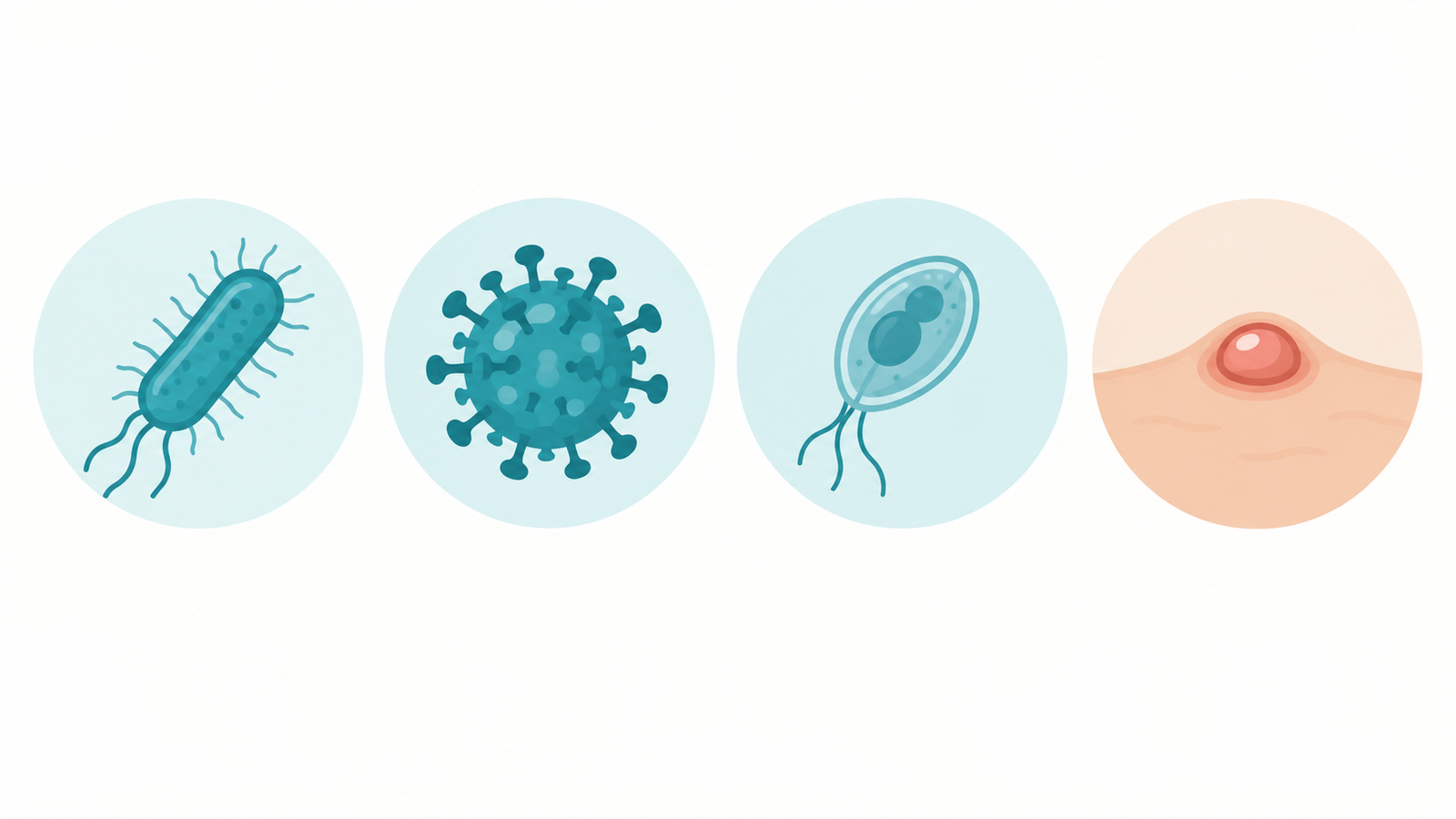
An STI is an infection that passes from one person to another through sexual contact. Different germs cause different infections:
- Bacteria cause syphilis, chlamydia and gonorrhoea.
- Viruses cause genital herpes, genital warts (HPV), HIV and hepatitis B.
- A parasite causes trichomoniasis.
- A skin virus causes molluscum contagiosum, which can also spread through close skin contact.
Some show clear signs on the skin or genitals, such as a painless sore, a cluster of blisters, a wart or a rash on the palms or soles. Others, such as chlamydia, often cause no symptoms at all. This is why testing matters even when you feel well.
Clinical Overview: Cured or Controlled
The most important thing to understand after a positive test is whether your infection is likely to be cured or controlled.
Usually cured with the right antibiotics:
- Syphilis, chlamydia, gonorrhoea and trichomoniasis can be cleared when treated fully and early. Untreated, they can cause serious harm such as infertility, pregnancy problems, nerve and heart damage and a higher chance of catching other infections.
Controlled but not cleared:
- Genital herpes: Antiviral medicine shortens outbreaks and lowers the chance of passing the virus on, but it does not remove the virus from the body.
- Genital warts (HPV): The warts can be removed, but the virus may remain in the body and warts can return.
- HIV: Modern treatment can keep the virus at a level that is too low to pass on, and protects the immune system, but it is taken long term.
Often clears by itself or with removal:
- Molluscum contagiosum: Small, pearly bumps that often go away by themselves over time, or can be removed.
A good doctor will tell you which group your infection belongs to, so you know what to expect.
Diagnosis: Your First Steps After a Positive Test
1. Confirm the diagnosis. Make sure the result is interpreted by a doctor who can match it to your symptoms and examination. Some tests, such as those for syphilis, need more than one type of test to understand the stage.
2. Test for other infections. A positive test for one infection is a signal that others may be present too. Doctors usually advise tests for HIV, syphilis and hepatitis B and C along with any others suggested by your history.
3. Be honest with your doctor. Share when symptoms started, how many partners you have had recently, whether you use condoms, any past infections and whether you are, or plan to be, pregnant. This guides which medicines are safe and which tests are needed.
4. Do not self-medicate. Taking leftover antibiotics, borrowing medicine from a friend or partner, or using an online remedy can hide symptoms, fail to clear the infection and make resistance more likely.
5. Pause sexual contact. Avoid all sex until you and your partners have completed treatment. After a single-dose treatment, doctors usually advise waiting at least 7 days. Your doctor will give exact advice for your infection.
Which Infections Are Cured and What Follow-Up Looks Like
| Infection | Usually Cured or Controlled | Typical Follow-Up |
|---|---|---|
| Syphilis | Cured with antibiotics when treated at the right stage | Repeat blood tests at set intervals over about 2 years, using the same type of test each time |
| Chlamydia | Cured with antibiotics | Re-test about 3 months after treatment, because re-infection is common |
| Gonorrhoea | Cured with antibiotics | Re-test about 3 months after treatment |
| Trichomoniasis | Cured with medicine | Re-test about 3 months after treatment |
| Genital herpes | Controlled, not cured | Antiviral medicine for outbreaks or for long-term control, with advice on lowering spread |
| Genital warts (HPV) | Warts can be removed, virus may remain | Review for returning warts |
| Molluscum contagiosum | Often clears by itself or with removal | Review if it spreads |
| HIV | Controlled with lifelong treatment | Regular monitoring by a specialist |
| Hepatitis B and C | Plan depends on the test results | Specialist evaluation |
This table shows general patterns. Your doctor will plan treatment and follow-up for your specific infection and health.
Treatment: Finishing the Plan and Protecting Your Partner
A private consultation for STD treatment usually includes a history, an examination, the right tests and a clear plan. A best dermatologist doctor in ahmedabad will explain the diagnosis in plain language, whether it can be cured or controlled and what to do next. If you have a skin concern that is not an STI, a visit to a skin care clinic in ahmedabad can sort that out in the same private setting.
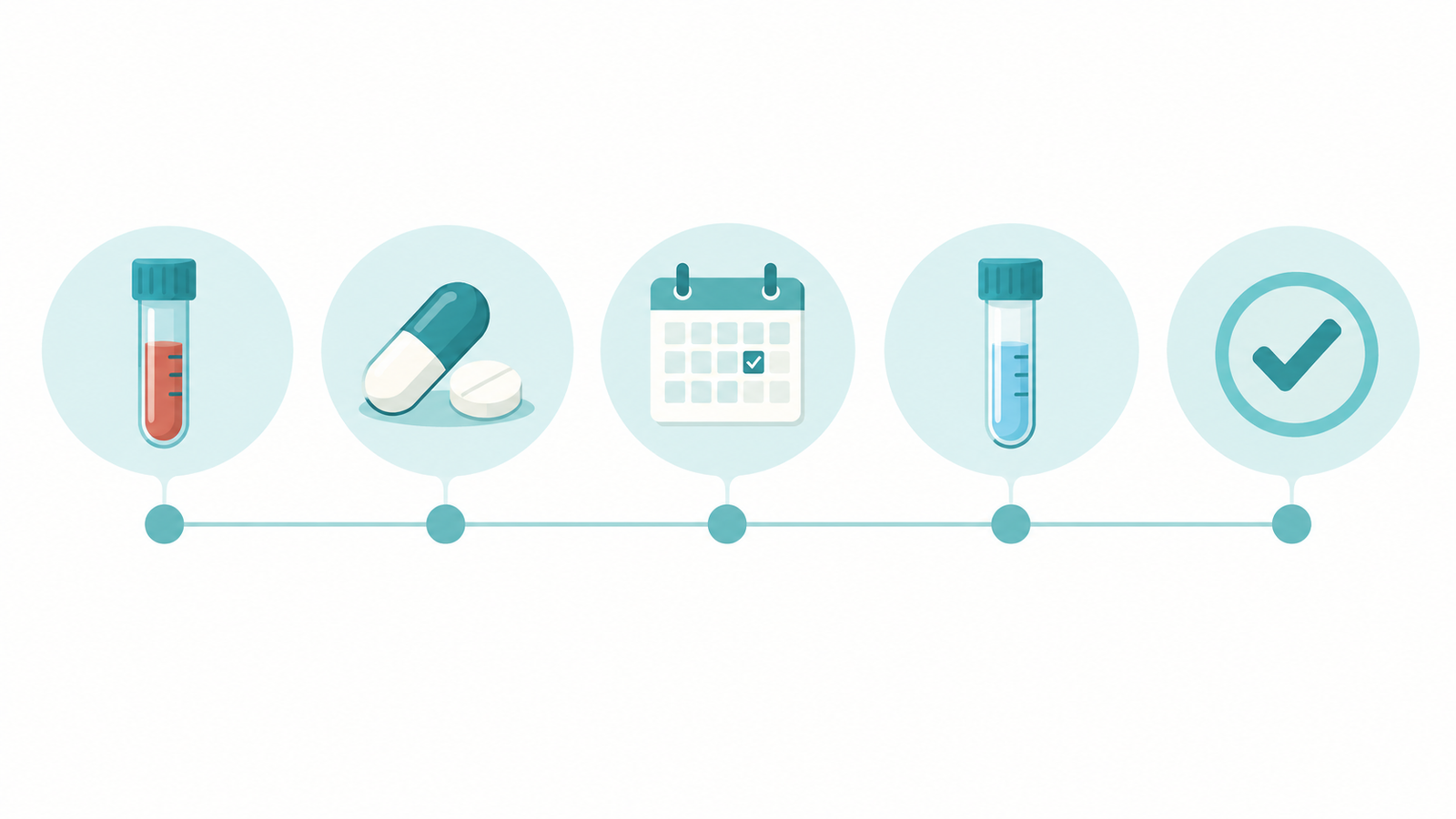
Finish the full course. Take the medicine exactly as prescribed, even if the symptoms disappear within a few days. Stopping early can leave the infection behind and make it harder to treat. Ask your doctor whether any of your medicines interact with alcohol or other tablets.
Tell your partners. Anyone you have had sex with recently may carry the infection without symptoms, and can pass it back to you. Doctors usually advise telling partners from about the last 60 days for chlamydia and gonorrhoea, and about the last 90 days for early syphilis. A short, calm message is enough: “I have been diagnosed with an infection, and I think you should get tested.” If you are not comfortable doing this, ask your doctor how they can help.
Treat partners too. If your partner is not treated, they can pass the infection back to you, even after you have recovered. Both of you should finish treatment before resuming sex.
Use protection after treatment. Condoms lower the chance of catching or passing most infections, though they do not protect against everything, such as sores or warts that are not covered. Ask your doctor about vaccination for hepatitis B and for HPV, which can lower future risk.
Go back for the follow-up tests. Some infections need re-testing, and syphilis needs a series of blood tests over time to confirm that treatment worked.
If you are pregnant or planning pregnancy, tell your doctor at once. Some infections can pass to the baby, and some medicines are not safe in pregnancy. For example, syphilis in pregnancy has to be treated with one specific antibiotic, and an allergy to it needs specialist handling rather than a substitute.
Look after your mental wellbeing. Feeling anxious, embarrassed or angry is common. Speaking with your doctor, a trusted friend or a counsellor can help.
What the Research and Guidelines Show?
Public health guidelines on sexually transmitted infections agree on several key points:
- A positive test is a marker for other infections: Doctors advise testing for HIV, syphilis and hepatitis B and C when any STI is found.
- Treatment must follow established guidelines: The right medicine and the right length of treatment are needed to clear the infection, relieve symptoms, prevent long-term harm and reduce spread.
- Sex should wait until treatment is complete: Patients and partners should avoid sex until both have finished treatment, and for at least 7 days after a single-dose treatment.
- A test of cure is usually not needed, but re-testing is: After standard treatment, an immediate repeat test can give a false positive because dead germ material may remain for weeks. Re-testing around 3 months later is advised for chlamydia, gonorrhoea and trichomoniasis because re-infection is common.
- Partners must be reached: Contact tracing and treatment of partners reduces reinfection and breaks the chain of spread. Standard look-back windows are about 60 days for chlamydia and gonorrhoea and about 90 days for early syphilis.
- Syphilis needs staged follow-up: Blood tests at around 6, 12, 18 and 24 months should use the same test method each time, and successful treatment is shown by a clear fall in the test level.
- Treatment can cause a short reaction: Some people with syphilis get a brief fever, headache and body ache in the first 24 hours of treatment, which is an expected reaction and not an allergy.
- Viral infections are controlled, not cleared: Antiviral medicine reduces outbreaks and spread of herpes but does not remove the virus, and modern HIV treatment can keep the virus at a level that cannot be passed on.
- Repeat symptoms need proper testing: If symptoms continue or return after treatment, a doctor should test again for other causes instead of repeating the same medicine.
These points come from published public health guidelines. They describe general practice, and your own plan will depend on your infection, history and test results.
Doctor Review Block
This article has been medically reviewed by Dr. Tejansu Dalal, MD (Dermatology), for clinical accuracy. In my experience, the people who do best are those who come early, are open about their history and complete the plan together with their partners. A positive test is a medical finding like any other, and a private, respectful consultation is the first step toward putting it behind you.
References & Citations
This article draws on public health guidance on sexually transmitted infections, including the general treatment guidelines from the Centers for Disease Control and Prevention and the syphilis treatment and follow-up guidance from the United States public health guidelines on syphilis. Timelines and follow-up reflect published guidelines and general clinical practice.